The wheels of justice turned Tuesday in a Washington courtroom, and if you were watching closely, you could see the gears grinding against the Pentagon’s handling of a sitting United States senator.
U.S. District Court Judge Richard Leon made his leanings clear when he invoked Bob Dylan from the bench, telling those assembled that “you don’t need a weatherman to see which way the wind is blowing.” That is about as plain-spoken as federal judges get, and it does not bode well for the current administration’s case.
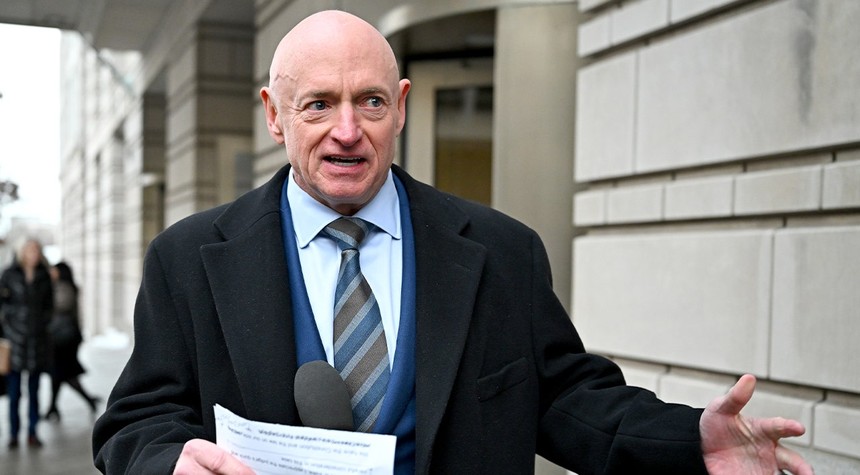
At the heart of this legal dustup sits Senator Mark Kelly of Arizona, a former Navy captain and astronaut who now finds himself in the crosshairs of War Secretary Pete Hegseth. The dispute centers on a video Kelly posted last November alongside five other Democratic lawmakers, in which they advised military members to refuse what they characterized as illegal orders.
The Pentagon’s response has been swift and, according to Kelly’s legal team, punitive. Hegseth has moved to reopen Kelly’s military retirement grade, a bureaucratic maneuver that could result in a significant reduction to the senator’s pension. Kelly argues this amounts to nothing less than retaliation for exercising his constitutional right to free speech.
Judge Leon appeared receptive to that argument during Tuesday’s hearing. He is now weighing whether to issue a preliminary injunction that would halt the Pentagon’s review of Kelly’s retirement status while the broader case works its way through the courts.
The implications here run deeper than one senator’s pension. This case touches on fundamental questions about the First Amendment rights of elected officials and the extent to which the executive branch can punish political speech it finds objectionable.
Kelly’s legal position rests on solid constitutional ground. The First Amendment protects political speech, particularly speech by elected representatives engaging in their official duties. The question before Judge Leon is whether the Pentagon’s actions constitute unlawful retaliation for that protected activity.
The timing of the Pentagon’s move against Kelly raises eyebrows. The review of his retirement grade came only after he publicly criticized what he and his colleagues viewed as potentially unlawful military orders. That sequence of events forms the backbone of Kelly’s retaliation claim.
Meanwhile, reports indicate that federal investigators have scheduled interviews with all six lawmakers who appeared in the controversial video. The scope and intent of those interviews remain unclear, but they add another layer to an already complex situation.
This case represents more than a personal dispute between a senator and the Pentagon. It tests the boundaries of acceptable political discourse and the protections afforded to those who speak out against government actions they believe to be wrong.
Judge Leon’s willingness to consider Kelly’s arguments seriously suggests the court may be prepared to check what it views as executive overreach. His Dylan reference, while colorful, conveyed a substantive message about the strength of Kelly’s constitutional claims.
As this case moves forward, it will be worth watching not just for its immediate outcome, but for what it says about the state of civil-military relations and the health of our constitutional protections in an era of heightened political tension.
Related: Federal Immigration Attorney Removed After Courtroom Outburst Over Caseload