The chaos of America’s withdrawal from Afghanistan left many questions unanswered, but for men like Thomas Kasza and his fellow Green Berets, one thing remained crystal clear: the Afghans who fought beside them deserved better than to be abandoned to the Taliban’s vengeance.
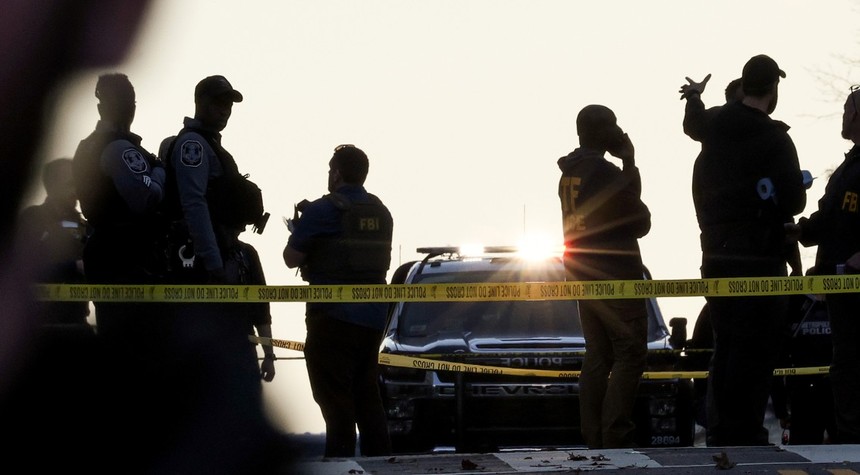
Now, in the wake of a tragic shooting near the White House that claimed the life of 20-year-old Sarah Beckstrom and left 24-year-old Andrew Wolfe fighting for his life, these same veterans find themselves defending their Afghan partners once more. The difference this time is that the threat comes not from enemy fire, but from the very government they served.
The suspect in last week’s shooting, Rahmanullah Lakanwal, 29, worked with a CIA-trained military unit. His alleged actions have prompted swift administrative response, with asylum decisions paused and visa issuances halted for Afghans across the board. President Trump minced no words, declaring that many Afghans who came to America “are criminals” who “shouldn’t be here.” CIA Director John Ratcliffe echoed these sentiments, stating the suspect “and so many others should have never been allowed to come here.”
But talk to the men who actually fought alongside these Afghans, and you hear a different story altogether.
“It is definitely not fair to group all Afghans that helped us during our time in Afghanistan in that same basket as this individual,” said Ben Hoffman, a Green Beret who deployed to Afghanistan five times. His words carry the weight of someone who knows the difference between allies and enemies, between those who stood with us and those who stood against us.
Dave Elliott, another Green Beret who co-founded the 1208 Foundation with Kasza to support Afghan allies, reports that the Afghans he remains in contact with are now “terrified” about their futures on American soil. “They’re fearful they’re going to be sent back to a country where we have had documented cases of our guys being killed in retribution attacks,” Elliott explained.
The nature of these Afghans’ service bears repeating. They worked with specially trained units that walked point ahead of American forces, identifying and disabling improvised explosive devices. It was deadly work that cost dozens of Afghan lives. Others served as interpreters, drivers, and in various capacities that made them marked men once the Taliban reclaimed power in 2021.
“These guys didn’t want to leave Afghanistan,” Elliott said with evident frustration. “They left Afghanistan because the U.S. broke it and handed it back to the Taliban and they had no other choice.”
Kasza emphasized the particular danger these men faced, noting that because they “served exclusively alongside U.S. Green Berets, they were by default among those highest on Taliban target lists.” Remaining in Afghanistan after the withdrawal was tantamount to signing their own death warrants.
The Green Berets interviewed made clear they had no direct connection to the shooting suspect. Their purpose in speaking out was not to excuse violence or dismiss legitimate security concerns. Rather, they sought to ensure that the actions of one individual do not condemn an entire community of men who risked everything to stand with America during two decades of war.
The tension between security and loyalty, between caution and honor, now plays out in real time. These are not simple questions with easy answers. But the men who served alongside these Afghans believe their voices deserve to be heard in this debate, their experiences counted as evidence of who these allies truly are.
Related: Rubio Exposes Iranian Foothold in Venezuela as Border Crisis Deepens