Attorney General Pam Bondi Faces Tough Questions on Epstein Files and DOJ Restructuring
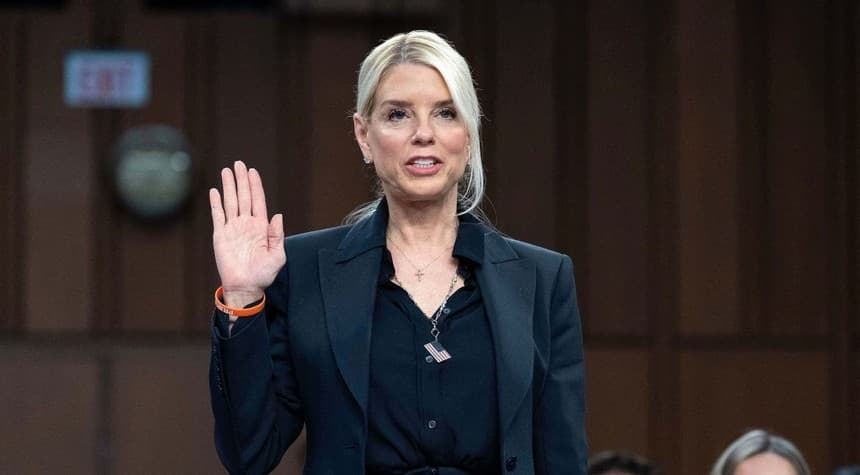
Courage, as they say, is not the absence of fear but the willingness to face it head-on. Attorney General Pam Bondi will need plenty of that Wednesday morning when she sits before the House Judiciary Committee for what promises to be one of the most contentious oversight hearings in recent memory.
The hearing, scheduled to begin at 10 a.m., carries the straightforward title "Oversight of the Department of Justice," but make no mistake about what is really at stake here. This marks Bondi's first appearance before the House panel since assuming leadership of the nation's premier law enforcement agency, and lawmakers from both sides of the aisle have sharpened their pencils and prepared their toughest questions.
The Jeffrey Epstein case files loom large over these proceedings. Under the Epstein Files Transparency Act, the Department of Justice was required to publish all unclassified documents related to the deceased financier's sex trafficking case. That deadline has come and gone, and members of Congress want to know why. The American people deserve answers about how a wealthy, well-connected predator operated for years, and which powerful figures may have been involved in or aware of his crimes.
Democrats are expected to press Bondi hard on this transparency issue. But she will also face scrutiny from members of her own party who believe the department has not moved quickly enough to fulfill its legal obligations under the act. The challenge of reviewing massive troves of sensitive files within a 30-day window has proven more complicated than many anticipated, but that explanation may not satisfy lawmakers who see this as a matter of public trust.
Beyond the Epstein files, Bondi will likely field pointed questions about what critics characterize as politically charged indictments pursued by the department. The balance between prosecutorial independence and political accountability remains one of the most delicate aspects of the Attorney General's role, and this hearing will test how Bondi navigates those treacherous waters.
Not everything will be hostile territory for the Attorney General. Republican members are expected to praise her efforts to refocus the department on what they consider bread-and-butter law enforcement priorities: street crime, drug trafficking, and illegal immigration. These issues resonate deeply with conservative voters who believe the previous administration allowed the DOJ to become distracted by partisan investigations while violent crime and border chaos spiraled out of control.
The broader structural changes Bondi has implemented at the department will also come under the microscope. Reorganizing a bureaucracy as vast and complex as the Department of Justice is never simple, and any major reshuffling inevitably creates winners, losers, and plenty of critics.
What we are witnessing is democracy in action, messy and contentious though it may be. Congressional oversight exists precisely for moments like these, when serious questions demand serious answers. Whether you believe Bondi is steering the department in the right direction or veering dangerously off course, Wednesday's hearing represents an essential checkpoint in our system of checks and balances.
The Attorney General will sit in that witness chair knowing that her testimony will be scrutinized, fact-checked, and debated long after the gavel falls. That is how it should be. The Department of Justice wields enormous power over American lives, and those who lead it must be prepared to answer for how that power is exercised.
Related: Sanctuary City Economics Collapse as Trump Reinstates Federal Labor Law Enforcement