
There are moments in geopolitical affairs when you can almost hear the cracking of foundations, when decades of bluster and bravado finally meet the hard wall of economic reality. This appears to be one of those moments for Iran’s ruling elite.
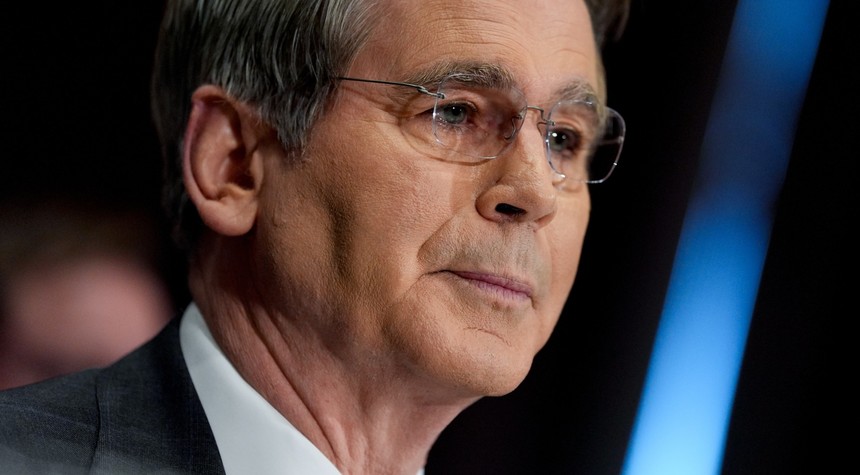
Treasury Secretary Scott Bessent delivered remarkable testimony Thursday before the Senate Committee on Banking, Housing, and Urban Affairs, painting a picture of an Iranian regime in its death throes. The images he described were stark and unmistakable: Iran’s leadership frantically moving money out of their own country, abandoning the ship they have captained for more than four decades.
“We have seen the Iranian leadership wiring money out of the country like crazy,” Bessent told lawmakers. “The rats are leaving the ship. That is a good sign that they know the end may be near.”
Those are not words spoken lightly by a treasury secretary. They represent the culmination of a deliberate, methodical pressure campaign designed to do what military force alone has never accomplished: bring Iran’s theocratic regime to its knees through economic strangulation.
The strategy, as Bessent outlined it, has been both elegant and devastating. Treasury created what he called a “dollar shortage” inside Iran, a financial vice that has squeezed tighter with each passing month. The approach, which Bessent first detailed last March at the Economic Club of New York, reached what he termed a “swift and grand culmination” in December when one of Iran’s largest banks collapsed.
That collapse triggered exactly what financial experts would predict: panic. A run on the banking system followed. Iran’s central bank, desperate to maintain some semblance of stability, began printing money. The result was predictable and catastrophic. The Iranian currency went into free fall. Inflation exploded. And the Iranian people, watching their life savings evaporate and their purchasing power vanish, took to the streets.
The protests that erupted across Iran in late December were not merely political demonstrations. They were the raw expression of economic desperation, fueled by soaring prices, worthless currency, and mounting rage over corruption and mismanagement. The regime’s response has been characteristically brutal: violent crackdowns designed to silence dissent through fear.
But here is where the story takes a particularly telling turn. Rather than attempting to stabilize their economy or address the legitimate grievances of their people, Iran’s leadership has chosen self-preservation. They are looting the national treasury, moving tens of millions of dollars abroad while their citizens suffer.
“The good news, Senator, is that we have seen — and we can see it through Treasury’s FinCEN tracking,” Bessent said, referring to the Financial Crimes Enforcement Network’s sophisticated monitoring capabilities. Treasury is watching this capital flight in real time, tracking regime officials as they attempt to squirrel away stolen wealth through traditional banking channels and digital assets.
The message was clear: there will be no hiding place for these funds. American financial scrutiny reaches far and wide.
Last month, Treasury escalated sanctions against senior Iranian officials and regime-linked financial networks, targeting what officials described as the “architects” of Iran’s violent repression. The sanctions also hit the shadow banking sector and oil-export systems that have served as lifelines for regime revenue. Bessent characterized the cumulative effect as pushing the Islamic Republic into “economic self-immolation.”
This financial warfare is unfolding against a backdrop of renewed diplomatic activity. Iran’s foreign minister is scheduled to travel to Oman on Friday for nuclear talks with American envoys, negotiations that appeared uncertain until recently. The timing suggests desperation rather than strength.
The question now is not whether Iran’s economy can survive this pressure, but whether the regime itself can weather the storm it has brought upon its own people. When the rats start leaving the ship, the vessel is usually already taking on water.
Related: Bukele Tells National Prayer Breakfast That MS-13 Gang Members Worship Satan