Border Officers Seize 225 Pounds of Cocaine at San Ysidro as Trump Security Measures Take Hold
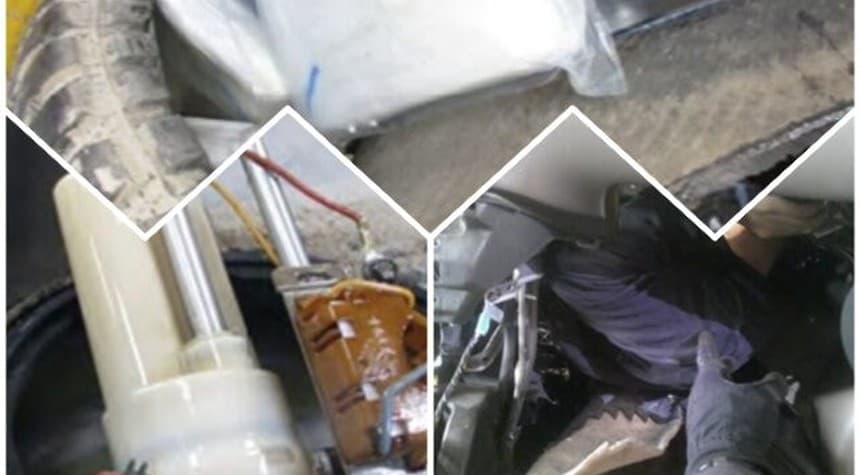
The numbers tell a story that Washington politicians would rather you not hear. More than 225 pounds of cocaine, worth over four million dollars on the street, never made it past our southern border in late April. That is the kind of result that comes when you let law enforcement officers do the job they were trained to do.
U.S. Customs and Border Protection officers at the San Ysidro Port of Entry stopped a 21-year-old American citizen driving a Ford F-250 pickup truck as he attempted to cross into the United States. Something did not sit right with the officers on duty that day. Call it experience, call it instinct, but these professionals knew to take a closer look.
The driver and his vehicle were sent to secondary inspection, where the real work began. An imaging system flagged something unusual. A CBP canine team confirmed the suspicion. What officers found next during their physical inspection would make any parent's blood run cold: 81 packages of cocaine, carefully concealed within the spare tire and gas tank, weighing in at 225.44 pounds with a street value of $4,328,448.
This seizure represents more than just good police work. It demonstrates what happens when border security becomes a priority rather than a political talking point. The enforcement posture at our land border crossings has fundamentally changed under the Trump administration's strict security measures, and the results speak for themselves.
For years, CBP officers found themselves pulled away from their core mission. The previous administration's CBP-One smartphone application turned these trained enforcement professionals into processing clerks, handling paperwork for 1,400 migrants daily who used the system to launch asylum claims and gain release into the United States. Nearly one million asylum applicants entered through this program, and each one required officer time that could have been spent stopping drugs, weapons, and criminals.
The cartels are not sleeping. They continue to probe for weaknesses in our border security, testing new methods and routes, searching for the soft spots in our defenses. But when CBP officers can focus on enforcement and inspections rather than administrative processing, the cartels lose. American communities win.
San Ysidro represents the nation's busiest land border crossing, a massive funnel of legitimate commerce and travel between two countries. It is also a prime target for smuggling operations precisely because of that volume. The cartels count on their contraband getting lost in the shuffle, buried in the thousands of daily crossings. They depend on distracted, overworked officers missing the signs.
This seizure proves that strategy fails when officers have the time, resources, and support to do their jobs properly. The imaging technology, the canine teams, the trained eyes of experienced officers working in concert—this is border security done right.
The question Americans should be asking is simple: How much cocaine made it through when our border officers were busy processing asylum applications instead of inspecting vehicles? We may never know the full answer, but this single bust offers a glimpse of what we were missing.
Four million dollars worth of poison stayed out of American neighborhoods because officers were allowed to be officers again. That is a win worth celebrating, and a policy worth continuing.
Related: Louisiana Lawmakers Expand Murder Statute After Deadly Baton Rouge Mall Shooting