
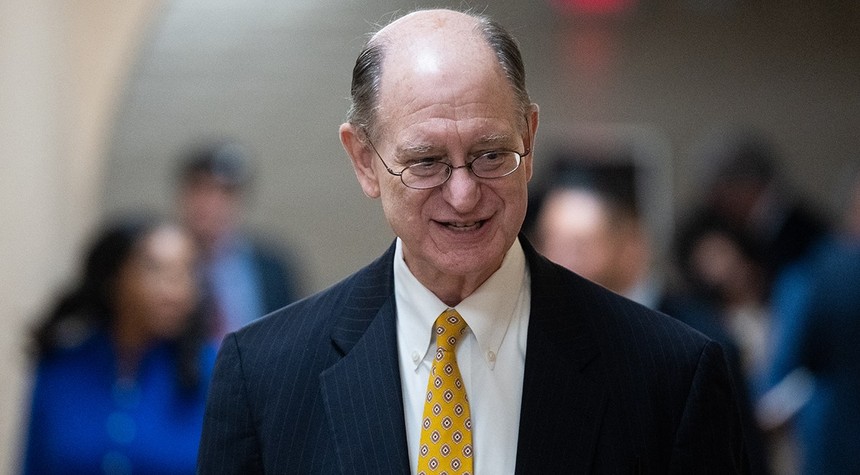
Courage. That is what we need when examining uncomfortable truths about those who represent us in the halls of power. And this week, one such uncomfortable truth went viral at thirty thousand feet.
California Democratic Representative Brad Sherman finds himself in the hot seat after fellow passengers captured photographs of the 71-year-old congressman apparently viewing explicit images of scantily clad women on his tablet during a commercial flight. The images spread like wildfire across social media, accumulating more than twelve million views and sparking immediate public outcry.
The photographs tell a story that words struggle to capture. There sits a United States congressman, mouth agape, scrolling through what appears to be provocative imagery of women in their undergarments while surrounded by fellow travelers who surely did not purchase their tickets expecting such a spectacle.
Sherman’s response to this embarrassing episode deserves scrutiny. Rather than taking responsibility or offering a straightforward explanation, the congressman’s office pointed fingers at an unlikely culprit: Elon Musk’s management of the social media platform formerly known as Twitter.
According to Sherman’s spokesperson, the congressman was merely scrolling through his social media feed when the algorithm thrust unwanted explicit content before his eyes. The defense essentially argues that Musk has corrupted the platform’s content delivery system, forcing users to view material they never requested.
This explanation raises more questions than it answers. Any regular user of social media understands that algorithms typically reflect our interests and engagement patterns. These systems show us content based on what we click, what we linger over, and what we interact with most frequently. The algorithm is not some rogue agent operating independently of user behavior.
Furthermore, even if unwanted content did appear on his feed, one must ask why a sitting member of Congress would continue scrolling through such material in a public setting rather than immediately closing the application or switching to other work. The photographs suggest extended engagement, not a momentary accident quickly corrected.
This incident arrives at a particularly awkward moment, coinciding with news of serious criminal allegations against a prominent media editor. The juxtaposition underscores broader questions about judgment and accountability among those in positions of public trust and influence.
Sherman represents California’s 32nd congressional district and serves on the House Financial Services Committee. His constituents deserve better than deflection and blame-shifting. They deserve representatives who exercise sound judgment in public spaces and take responsibility when that judgment falters.
The American people have grown weary of excuses from their elected officials. Whether the explanation involves algorithms, technical glitches, or any other convenient scapegoat, the fundamental question remains: Why would any public servant believe such behavior appropriate on a commercial flight surrounded by constituents and fellow citizens?
This is not about partisan politics. This is about basic standards of conduct and the accountability we should demand from those who make our laws. Representative Sherman owes his constituents a better explanation than blaming a billionaire’s social media platform for his own choices.
The truth has a way of emerging, even at cruising altitude. And in this case, the truth was captured in photographs that no algorithm can explain away.
Related: California Woman Charged With Riot Conspiracy Following Attack on Turning Point USA Speaker