
Courage. That is what we used to call it when journalists stood up to power, when they spoke truth regardless of the consequences. But what we are witnessing at CBS is something altogether different, and the American people deserve to know what is really happening inside our news organizations.
A producer at 60 Minutes has taken her grievances public after her boss, Bari Weiss, pulled a segment about deported illegal immigrants. The producer, Sharyn Alfonsi, distributed a letter to colleagues that somehow found its way to reporters at a major newspaper. In it, she complained that her piece had been screened five times, cleared by lawyers and standards departments, and was factually accurate. Yet it was yanked at the eleventh hour.
According to Alfonsi, this was not an editorial decision but a political one. That is a serious charge in the news business, the kind that demands scrutiny.
Weiss, for her part, stated that the segment would eventually air but currently lacked sufficient context and was missing critical voices. Sources familiar with the matter indicated that Weiss objected to Alfonsi referring to illegal immigrants as “migrants” and wanted a high-ranking Trump administration official interviewed for balance.
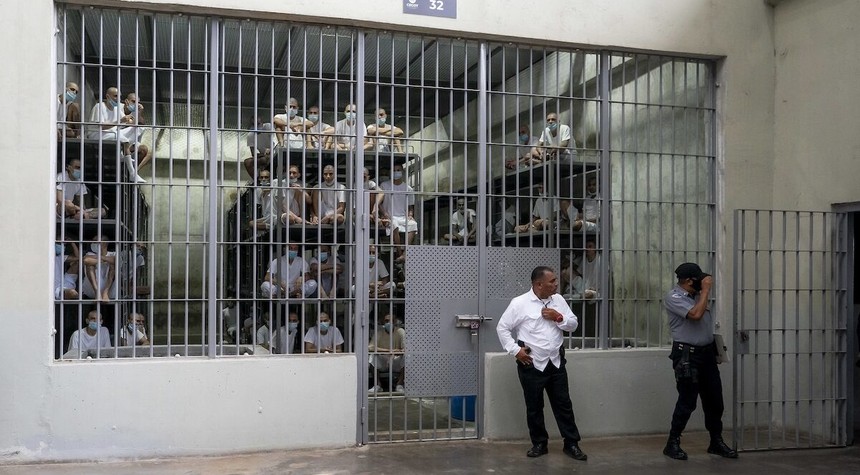
Now, let us be clear about what this story was going to be. Without having seen the segment, one can predict with reasonable certainty what it would contain: foreigners claiming they were tortured after President Trump had them removed from the United States and sent to a prison in El Salvador. These individuals almost certainly have immigration attorneys working overtime to get them back into this country.
This is not groundbreaking journalism. This story has already been told. A major newspaper ran this exact narrative more than a month ago with the headline “You Are All Terrorists: Four Months in a Salvadoran Prison.” Four weeks later, they adapted it for their podcast with the title “Trump Sent Them to a Notorious Prison. Torture.”
The pattern here is as predictable as sunrise. The formula never changes: find sympathetic illegal immigrants, document their hardships, blame American immigration enforcement, and present it as investigative journalism.
What makes this internal CBS dispute noteworthy is not the story itself, but what it reveals about the state of American journalism. Here we have a producer so convinced of the righteousness of her narrative that she cannot fathom why her boss might want additional context or opposing viewpoints. The very suggestion that a Trump administration official should be interviewed is apparently grounds for insurrection.
This is the newsroom culture we are dealing with in 2025. A culture where balance is viewed as betrayal, where including administration perspectives is seen as capitulation, and where running to outside reporters with internal disputes is considered acceptable professional conduct.
The American people have grown weary of one-sided sob stories designed to tug heartstrings rather than inform minds. They want the full picture. They want to know why these individuals were deported in the first place. They want to hear from the administration officials implementing lawful immigration policy. They want context about the broader security situation in El Salvador and why certain deportations are occurring.
That is not political bias. That is journalism.
The question now is whether CBS will have the backbone to demand comprehensive reporting from its producers, or whether it will cave to internal pressure and air yet another predictable piece of advocacy disguised as news. The answer will tell us much about the future of broadcast journalism in this country.
Related: Bernie Sanders Blocks Bipartisan Pediatric Cancer Research Bill for Second Consecutive Year