
The legal battle over transparency in the federal judiciary has reached its conclusion, and the outcome may surprise those who expected different results from a Trump-appointed judge.
U.S. District Judge Trevor McFadden dismissed a lawsuit Thursday brought by the America First Legal Foundation, a conservative legal organization seeking access to a substantial collection of federal judiciary documents. The case, which had drawn considerable attention in legal circles, centered on whether certain judicial administrative bodies must comply with federal transparency laws in the same manner as executive branch agencies.
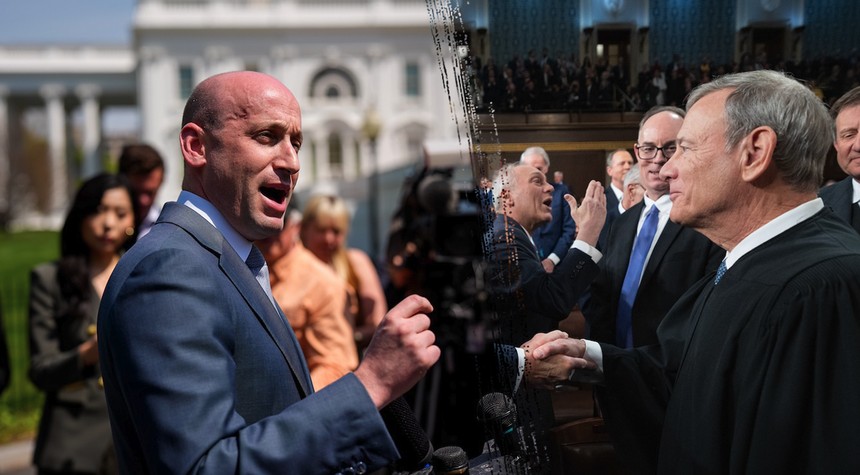
The America First Legal Foundation, established by Stephen Miller following the conclusion of President Trump’s first term, filed the lawsuit demanding access to records from entities that handle regulatory and administrative functions within the federal court system. These bodies operate under the oversight of Chief Justice John Roberts, and their inner workings have long remained shielded from public scrutiny.
Judge McFadden, whom President Trump appointed to the bench, ruled that the lawsuit failed on jurisdictional grounds. His decision hinged on a fundamental question about the structure of American government: whether these administrative entities function as part of the judicial branch or operate more like executive agencies subject to different rules.
The judge determined that the two organizations responsible for certain regulatory and administrative functions within the federal judiciary represent an extension of the judicial branch itself. This classification carries significant weight, as it means these entities enjoy the same exemptions from federal transparency laws that protect the judiciary’s independence.
“Nothing about either entity’s structure suggests the president must supervise their employees or otherwise keep them accountable, as is the case for executive officers,” McFadden wrote in his decision. This reasoning underscores the separation of powers doctrine that forms a cornerstone of the American constitutional system.
The ruling effectively ends what had become a protracted legal fight. Miller, who founded the America First Legal Foundation, has since returned to the White House as a senior policy adviser and is no longer affiliated with the organization.
This case represents one of several recent legal setbacks for initiatives aligned with the Trump administration’s agenda. Federal judges have blocked multiple executive actions in recent weeks, demonstrating that judicial independence continues to function as the framers intended, regardless of which president appointed a particular judge.
The dismissal raises important questions about government transparency and the unique position of the federal judiciary within our system of checks and balances. While transparency advocates argue that sunlight remains the best disinfectant for government operations, defenders of judicial independence contend that certain protections must exist to preserve the courts’ ability to function without political interference.
The federal judiciary has long maintained that its administrative operations require protection from the same disclosure requirements that apply to executive agencies. This case reaffirms that principle, though critics suggest it may shield important information from public view.
As this legal chapter closes, the broader debate over judicial transparency and accountability continues. The outcome serves as a reminder that the separation of powers doctrine, however inconvenient it may prove at times, remains a defining feature of American governance.
Related: Maria Shriver Condemns Kennedy Center Name Change as Board Votes Unanimously