The courage of conviction, as they say, often reveals itself not in what politicians say, but in what they choose not to say. And right now in Minnesota, what is not being said speaks volumes about a political culture that may have enabled one of the largest fraud scandals in state history.
David Hann, a former Minnesota state senator now running in the Republican primary for United States Senate, is not mincing words about what he sees as a troubling pattern of political pandering that allowed billions in taxpayer dollars to allegedly vanish while state leaders looked the other way.
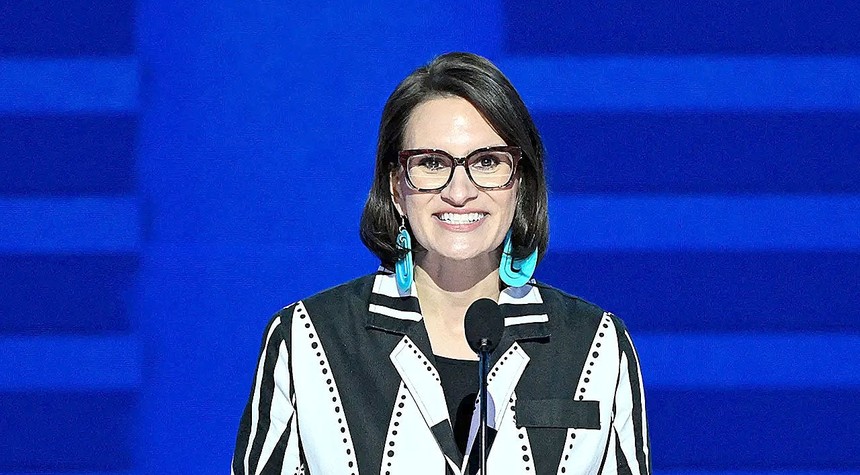
At the center of this controversy stands Lieutenant Governor Peggy Flanagan, whose recent video appearance wearing a hijab and expressing solidarity with the Somali community has ignited a firestorm of criticism. The video, which aired on Somali television and subsequently went viral on social media, shows Flanagan greeting constituents with “Salam alaikum” and declaring that “the Somali community is part of the fabric of the state of Minnesota.”
“I am here shopping today and just encouraging other folks to show up, support our Somali businesses, support our immigrant neighbors, and I know that things are scary right now,” Flanagan said in the footage. She concluded with a promise: “We’ve got your back.”
The timing of this video has raised eyebrows across the political spectrum. Minnesota is currently grappling with what federal investigators suggest could be a fraud crisis reaching as high as nine billion dollars. Yet Flanagan, according to Hann and other critics, has remained conspicuously silent about the investigative journalism that brought these allegations to light.
“It’s emblematic of the way she and other Democrat politicians in Minnesota have behaved over the past decade or so. They’re very political,” Hann explained. “They just are pandering to political constituencies, and they’re not doing the job that they were elected to do.”
The former state senator did not pull his punches when asked whether Flanagan should take responsibility for what he characterizes as a failure of leadership. “They did not do their duty out of concern that they would offend a political constituency,” Hann stated flatly. “So they haven’t done anything to take responsibility for what the public expects them to do. So yes, she should apologize.”
Hann went further, suggesting that Flanagan’s approach to governance should disqualify her from higher office. “She certainly should not be sent to Washington to oversee federal dollars being spent,” he said, arguing that the video exemplifies a broader pattern of prioritizing political optics over administrative accountability.
The substance of Hann’s criticism cuts to a fundamental question about the responsibilities of elected officials. When does cultural sensitivity cross the line into willful blindness? When does community support become an excuse for failing to ask hard questions about how public money is being spent and who might be taking advantage of the system?
These are not comfortable questions, and they touch on sensitive matters of immigration, integration, and the delicate balance between supporting communities and ensuring accountability. But they are questions that demand answers, particularly when the alleged fraud involves such staggering sums of taxpayer money.
What makes this situation particularly troubling is not merely the existence of the fraud allegations themselves, but the apparent reluctance of state leadership to address them head-on. Political courage, after all, is not measured by how well officials perform for friendly audiences, but by their willingness to confront uncomfortable truths within their own coalitions.
As Minnesota voters prepare for upcoming elections, they face a choice about what kind of leadership they want. Will they reward those who offer symbolic gestures and reassuring words, or will they demand officials who are willing to ask tough questions and hold all communities to the same standards of accountability, regardless of political considerations?
The answer to that question may well determine not just who represents Minnesota in Washington, but whether the state can restore public trust in institutions that appear to have failed in their most basic duty: protecting the public treasury from those who would plunder it.
Related: Kash Patel Announces Expanded FBI Drone Detection Program at Alabama Facility