Democratic Leadership Stays Silent as Florida Congresswoman Faces 25 Ethics Violations
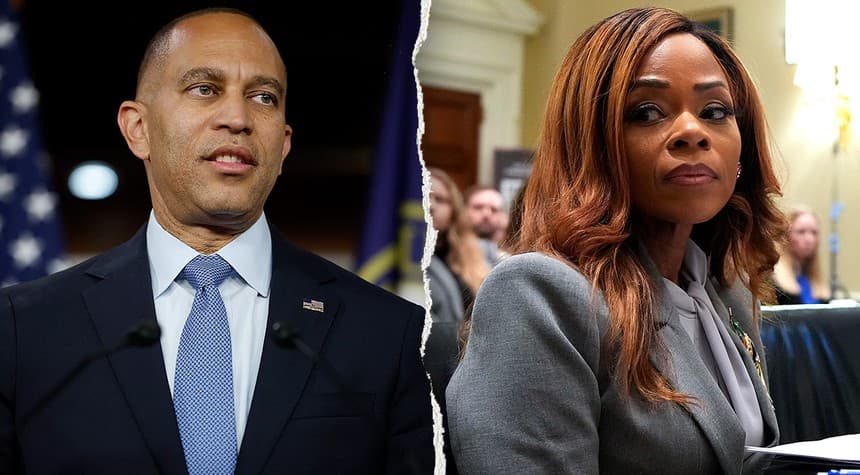
The wheels of accountability turn slowly in Washington, but when they do turn, they can grind exceedingly fine. The case of Representative Sheila Cherfilus-McCormick of Florida presents a test of principle that Democrats in leadership appear hesitant to face head-on.
A bipartisan House Ethics investigative subcommittee delivered its verdict Friday, finding the Florida Democrat guilty of 25 separate ethics violations. The charges read like a prosecutor's wish list: money laundering, making false statements on campaign finance reports, and seeking special favors from entities receiving federal funding. These are not minor infractions or paperwork errors. These are serious allegations that strike at the heart of public trust.
Yet House Democratic leadership has responded with what can only be described as studied silence. House Minority Leader Hakeem Jeffries of New York declined to condemn his colleague's conduct, instead deferring to the Ethics Committee's final procedural steps. When pressed Friday morning, Jeffries stated he would not get ahead of the committee's process and would have more to say upon Congress's return.
House Democratic Conference Chairman Pete Aguilar of California acknowledged he had not reviewed the panel's findings but conceded the situation did not sound favorable when informed of the 25 violations.
The charges against Cherfilus-McCormick extend beyond the House Ethics Committee's purview. She faces a separate federal criminal indictment that could result in more than 50 years in prison if convicted. Federal prosecutors allege she illegally transferred millions in disaster relief funds that were improperly paid to her family's healthcare company. These funds allegedly financed her congressional campaign and purchased luxury items, including a substantial diamond ring.
The congresswoman has entered a plea of not guilty to the criminal charges.
The Ethics Committee announced it would reveal its recommended punishment in April. The potential consequences range from censure to the most severe sanction available: expulsion from the House of Representatives. Under House rules, expulsion requires a two-thirds majority vote, a high bar that nonetheless remains within reach given the bipartisan nature of the findings.
The relative silence from the Democratic caucus speaks volumes about the uncomfortable position party members find themselves in. However, cracks in that unified silence are beginning to show. Representative Marie Gluesenkamp Perez of Washington, a moderate Democrat, became the first member of her party to publicly call for Cherfilus-McCormick's resignation or removal following the guilty verdict.
Her statement was direct and unambiguous: "You can't crime your way into legitimate power. Since she was found guilty, she should resign or be removed."
The contrast between leadership's cautious approach and rank-and-file members' growing willingness to speak out raises questions about political calculations versus principled stands. When ethics violations are found by a bipartisan panel, the response from party leadership should be swift and clear, regardless of political affiliation.
As April approaches and the Ethics Committee prepares to announce its recommended punishment, the Democratic leadership will face a moment of reckoning. The question is not merely procedural but fundamental: Does accountability apply equally, or does it bend to political convenience?
The American people deserve an answer, and they deserve it soon.
Related: House and Senate Trade Votes on DHS Funding While Both Chambers Leave for Two Week Recess