The Democratic Party finds itself in a peculiar position this election cycle, simultaneously expressing confidence about their electoral prospects while launching what amounts to an admission that fresh blood is desperately needed.
Senator Kirsten Gillibrand, who chairs the Democratic Senatorial Campaign Committee, recently declared that Democrats have “all the makings of a blue wave” as her party attempts to reclaim the Senate majority. It is worth pausing on that assertion, given the headwinds her party currently faces.
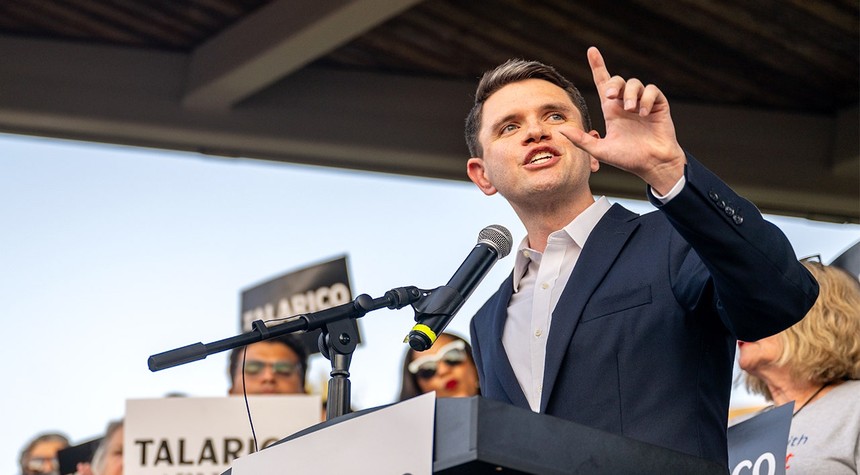
Enter “The Bench,” a newly minted political organization that formally launched earlier this month with a stated mission to cultivate what organizers are calling “the future of the Democratic Party.” The group, assembled by a handful of campaign veterans, plans to direct resources toward building a roster of rising star candidates who they believe can remake the party’s image.
The timing of this launch tells a story all its own. Democrats are not simply preparing for the future in some abstract sense. They are responding to a present reality that has proven uncomfortable. The party currently suffers from historically low favorability and approval ratings, numbers that would give any political strategist cause for concern.
This represents something of a political paradox. On one hand, Democrats are touting their chances of retaking both the House and Senate in the upcoming midterm elections. On the other, they are acknowledging through their actions that the current party brand needs significant rehabilitation.
The traditional political dynamics would seem to favor Democratic ambitions. The party in power typically faces substantial headwinds during midterm elections, and this year that party is clearly the Republican Party. National polling data shows President Donald Trump’s approval ratings remain significantly underwater, driven largely by persistent voter anxiety over inflation that continues to strain household budgets across the country.
Yet Democrats appear to be hedging their bets. The creation of The Bench suggests party leadership recognizes that low approval numbers and unfavorable public perception cannot simply be wished away with optimistic pronouncements about electoral waves.
The path to a Senate majority remains narrow and challenging for Democrats, requiring them to defend vulnerable seats while simultaneously flipping Republican-held positions in an environment where their own party brand has taken a beating in public opinion surveys.
House Minority Leader Hakeem Jeffries and Senate Minority Leader Chuck Schumer recently appeared together at the Capitol, presenting a united front as the top two Democrats in Congress attempt to craft a coherent message for voters.
The question facing Democrats is whether new faces and fresh candidates can overcome the fundamental challenge of a party struggling with public confidence. Building a bench of future leaders is sound long-term strategy, but midterm elections are won or lost on present-day concerns, kitchen table issues, and voter sentiment about the direction of the country.
The Democratic Party is essentially making two arguments simultaneously: that they are poised for victory this cycle, and that they need to fundamentally rebuild their roster of candidates for the future. Whether voters find that combination compelling or contradictory will become clear soon enough.
Related: Ted Cruz Returns to Texas Ahead of Major Winter Storm After Social Media Firestorm