Discharge Petition Succeeds in Bringing Haitian Immigration Bill to House Floor
Courage, they say, is doing the right thing when nobody's watching. But in the halls of Congress, courage often means standing up when everybody is watching, and the political cost could be steep.
The House of Representatives is preparing for a Thursday vote that puts several Republicans in an uncomfortable position, caught between party loyalty and constituent concerns. At issue is a Democratic-led effort to prevent the Trump administration from ending temporary deportation protections for Haitian nationals currently living in the United States.
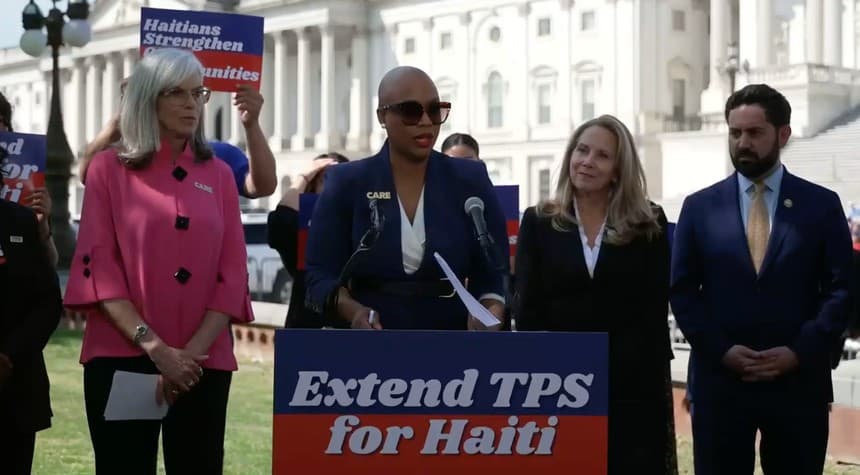
This is not your typical legislative process. Democratic Representative Ayanna Pressley of Massachusetts employed a parliamentary maneuver called a discharge petition, a rarely successful tool that allows members to bypass leadership and force a floor vote. The petition needed 218 signatures to succeed, and it cleared that threshold in late March.
What makes this particularly noteworthy is the fracture it reveals within the Republican majority. Four GOP members initially broke ranks to sign the petition alongside every Democrat. Representatives Maria Elvira Salazar of Florida, Brian Fitzpatrick of Pennsylvania, Mike Lawler of New York, and Don Bacon of Nebraska put their names on the line, knowing full well the potential consequences from party leadership.
During Wednesday's procedural vote, three additional Republicans joined the effort. Representatives Nicole Malliotakis of New York, Carlos Gimenez of Florida, and Kevin Kiley of California voted to advance the measure, giving it the momentum needed to reach the House floor.
The underlying legislation, introduced last year by Democratic Representative Laura Gillen of New York, would mandate that the Department of Homeland Security extend temporary protected status for Haitian nationals. This status, known as TPS, provides deportation relief and work authorization for individuals from countries experiencing armed conflict, environmental disasters, or other extraordinary conditions that make return unsafe.
The Trump administration has made immigration enforcement a cornerstone of its policy agenda, and this vote represents one of the first significant congressional challenges to that approach. The success of the discharge petition itself tells a story about the current state of House leadership and the willingness of some members to chart their own course.
For the Republicans who signed on, the political calculus is clear. Several represent districts with significant immigrant populations or have constituents directly affected by these policies. Representative Salazar, for instance, represents a South Florida district with a substantial Haitian-American community. These members are betting that representing their constituents' interests outweighs the risk of angering party leadership.
The broader question remains whether this represents a genuine shift in Republican willingness to challenge the administration on immigration, or simply a narrow exception based on specific district concerns. The relatively small number of defectors suggests the latter, but the fact that any Republicans are willing to break ranks at all is significant in today's political climate.
As Thursday's vote approaches, all eyes will be on whether additional Republicans join their colleagues or whether party discipline holds firm. The outcome will send a message not just about this particular policy, but about the extent to which Congress is willing to assert its constitutional role as a check on executive authority.
Related: Federal Investigators Target Los Angeles Healthcare Providers in Massive Fraud Sweep