The numbers tell a story that ought to give pause to anyone who doubts the serious work being done to combat violent crime in America’s communities.
Over three months, federal and local law enforcement agencies conducted what they are calling Operation Spring Cleaning, a coordinated surge targeting violent offenders, drug traffickers, armed felons, and fugitives operating across state lines. The results, announced Monday by the Justice Department, represent the kind of sustained law enforcement effort that communities have been demanding.
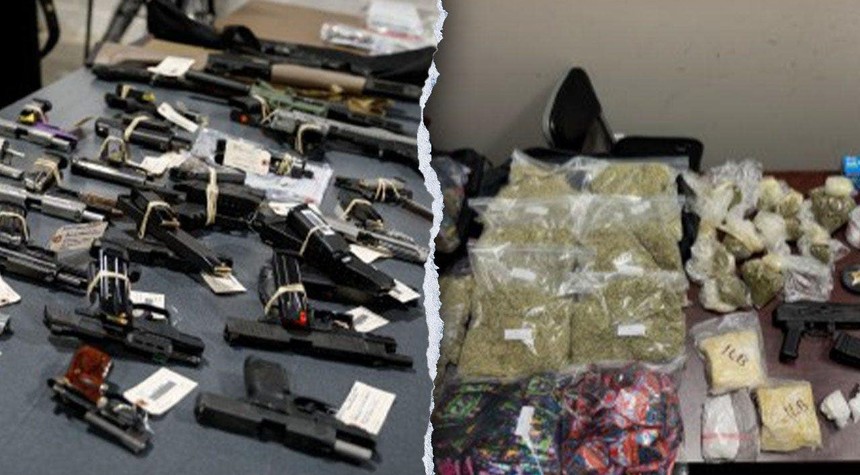
The operation netted 1,139 arrests and 615 criminal indictments. Authorities seized 984 firearms from the streets and executed 586 search warrants as part of 1,474 joint operations between federal and local agencies.
The drug haul alone paints a grim picture of what is flowing through American neighborhoods. Law enforcement confiscated 509 kilograms of cocaine, 48 kilograms of fentanyl, 698 pounds of methamphetamine, 567 pounds of marijuana, 7.4 kilograms of crack cocaine, 38 kilograms of heroin, and 13,260 MDMA pills.
FBI Director Kash Patel characterized the operation as part of a broader mission to address violent crime before the summer months, when certain violent and property crimes have historically shown seasonal increases.
“Operation Spring Cleaning is the latest success story in this FBI’s full-throttle mission to surge resources all across the country, crushing violent crime and saving American lives,” Patel stated. “Whether it’s Summer Heat, Viper, Grayskull, Spring Cleaning, or others, these are the ops that have delivered the most prolific run of crime reduction in United States history.”
The timing matters. Law enforcement officials have long recognized patterns in criminal activity, and preparing ahead of predictable surges represents smart policing rather than reactive scrambling.
This operation fits within the Justice Department’s larger Operation Take Back America initiative, which targets illegal immigration, drug cartels, and transnational criminal organizations. The connection between these elements is not coincidental. The drugs seized did not materialize from thin air, and the criminal networks distributing them often operate with international reach.
FBI Deputy Director Chris Raia emphasized the collaborative nature of the effort. “The FBI’s Operation Spring Cleaning is yet another example of our commitment to rooting out crime and delivering results the American public deserves,” Raia said. “Along with our partners, we’re protecting our communities, reducing crime stats nationwide, and producing record numbers of arrests and seizures.”
The question facing Americans is whether these enforcement surges represent sustainable progress or temporary victories in an ongoing struggle. The sheer volume of weapons and narcotics removed from circulation suggests the problem runs deep, but the arrest and indictment numbers indicate that authorities are actively pursuing those responsible.
Nearly a thousand firearms taken off the streets means a thousand fewer weapons available for criminal enterprise. Forty-eight kilograms of fentanyl represents countless potential overdoses prevented. These are not abstract statistics but real interventions with real consequences for public safety.
The coordination required for such an operation, spanning multiple jurisdictions and agencies, demonstrates what focused law enforcement can accomplish when properly resourced and directed. The American people have every right to expect this level of commitment to their safety, and they have every right to demand accountability for the results.
Related: Trump Floats Alternative Celebration Plans After Artists Withdraw from Anniversary Concert