The question of who eats and who goes hungry should never become a political football, yet here we are again, watching Washington turn a basic necessity into a battlefield.
Two federal judges have stepped into the fray over food assistance during the ongoing government shutdown, issuing orders that the Trump administration continue paying out Supplemental Nutrition Assistance Program benefits. The rulings came down Friday from U.S. District Judge Indira Talwani in Massachusetts and U.S. District Judge John McConnell in Rhode Island, with McConnell going so far as to demand the administration tap emergency funds to make payments “as soon as possible.”
Judge Talwani gave the administration until November 3 to devise a funding mechanism, though her order left the source of those funds unspecified. It is the kind of judicial directive that sounds simple on paper but proves devilishly complicated in practice, particularly when government lawyers maintain they lack the legal authority to access certain available funds.
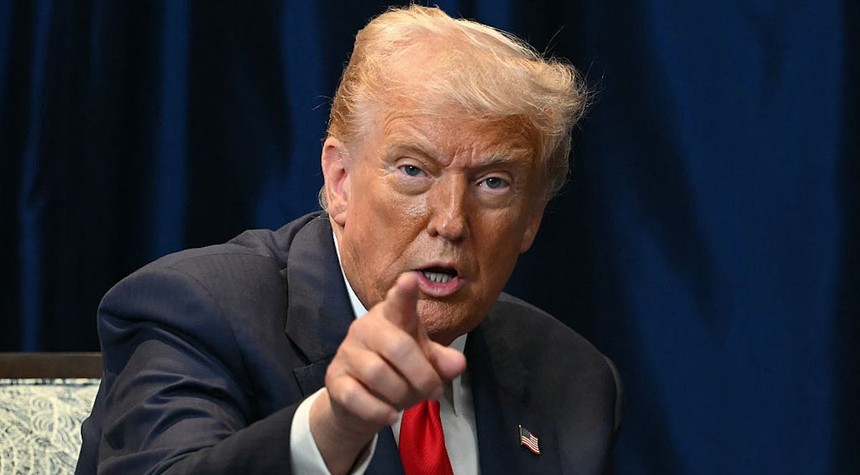
President Trump responded with characteristic directness, taking to Truth Social to outline his position and, notably, to share Senate Minority Leader Chuck Schumer’s office phone number for concerned citizens.
“Our Government lawyers do not think we have the legal authority to pay SNAP with certain monies we have available, and now two Courts have issued conflicting opinions on what we can and cannot do,” the President wrote. He made clear his priority: “I do NOT want Americans to go hungry just because the Radical Democrats refuse to do the right thing and REOPEN THE GOVERNMENT.”
The President instructed his legal team to seek immediate court clarification on how to lawfully fund the program, acknowledging that delays have already pushed payments past their normal monthly distribution date. He drew a parallel to previous actions, stating it would be his “HONOR to provide the funding, just like I did with Military and Law Enforcement Pay.”
This is where the rubber meets the road in Washington’s endless game of chicken. The President argues Democrats are blocking Republican efforts to reopen the government, creating the very crisis now landing on his desk via judicial order. Democrats, for their part, have their own narrative about who bears responsibility for the shutdown.
What gets lost in this back-and-forth is the human element. Millions of Americans rely on SNAP benefits to put food on their tables. The program serves children, elderly citizens, and working families stretched thin by an economy that has not been kind to everyone. When judges order benefits to continue and government lawyers say they lack authority to comply, ordinary people get caught in the crossfire.
The President’s decision to publish Senator Schumer’s office number represents an unconventional tactic, essentially crowdsourcing political pressure. Whether one views this as refreshing transparency or inappropriate harassment likely depends on which side of the aisle one occupies.
The fundamental question remains unanswered: How long will this shutdown continue, and how many essential services will require judicial intervention before Congress and the White House find common ground? Food assistance should not require a court order. Military pay should not hang in the balance. These are the basic functions of government that transcend partisan squabbling.
As this situation develops, the courts have spoken, the President has responded, and millions of Americans wait to see whether their next meal depends on lawyers parsing statutes or politicians remembering why they were sent to Washington in the first place.
Related: Transportation Chief Warns of Aviation Disaster as Shutdown Drags Into Holiday Season