The courage of one’s convictions, as they say, can sometimes give way to the cold arithmetic of political survival. That appears to be the case unfolding on Capitol Hill this week, where House Republican leadership finds itself caught between principle and pragmatism on the matter of enhanced health care subsidies.
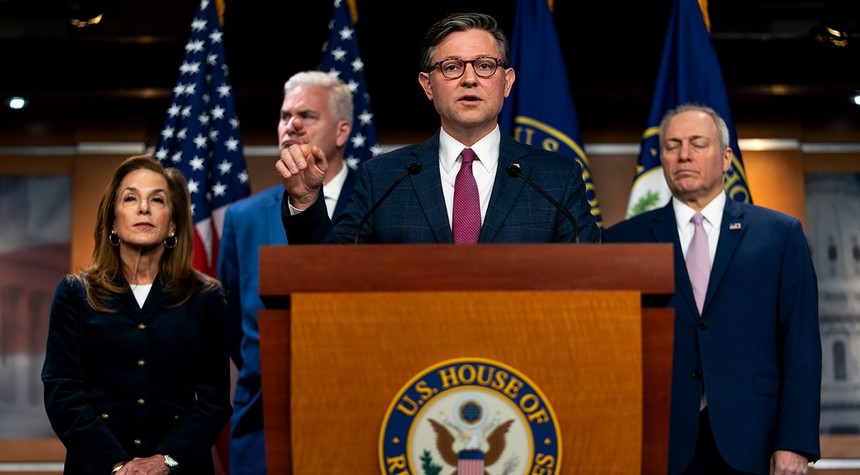
Republican leaders have announced they will bring a health care bill to the floor next week, though the path forward remains as tangled as a ball of barbed wire. The legislation itself represents a collection of provisions that have already cleared various committees, items that generally enjoy support within the party’s ranks. But here is where it gets interesting: The controversial enhanced subsidies, those temporary pandemic-era boosts to insurance assistance under the Affordable Care Act, will not be included in the base bill.
Instead, leadership has agreed to allow a vote on an amendment addressing the subsidies. This maneuver comes after moderate Republicans, growing increasingly nervous about their political futures, attempted to force votes through discharge petitions. Leadership, reading the tea leaves, decided negotiation beat confrontation.
Make no mistake, this amendment vote serves primarily as political theater. It provides cover for vulnerable moderates facing tough reelection battles, allowing them to tell constituents they supported extending help with health insurance costs. The hard truth, however, is that even if such an amendment passes the House, it faces a Senate where sixty votes remain the magic number. That threshold might as well be Mount Everest in today’s polarized environment.
The Republican conference remains deeply fractured on this issue, and that division persists despite two failed Senate votes and the looming specter of potentially catastrophic midterm elections. Leadership itself opposes extending the subsidies, viewing them as an expansion of government involvement in health care that runs counter to conservative principles.
Now both parties find themselves engaged in an elaborate game of political hot potato, each side maneuvering to avoid blame for what many expect will be significant increases in health care costs come next year. The enhanced subsidies appear destined to expire, which will translate into higher out-of-pocket premiums for millions of Americans.
Republicans can claim they introduced a plan and allowed votes. Democrats, meanwhile, insist that only a “clean” extension, without additional conditions or reforms, represents an acceptable solution. Yet Democrats face their own political risk. Two bipartisan bills have been introduced, and if Democrats refuse to support either option, they may find themselves shouldering blame alongside their Republican counterparts.
The situation illustrates a fundamental challenge facing Congress in an election year. Policy considerations become entangled with political calculations, and what might serve the public interest often takes a back seat to what serves political survival. The American people, caught in the middle, watch as their representatives engage in legislative chess while real-world consequences loom on the horizon.
As this drama unfolds next week, one thing remains certain: The votes cast will reveal much about where individual members believe their political interests truly lie.
Related: Wisconsin Redistricting Battle Takes Unprecedented Turn as Three-Judge Panels Convene