GOP-Led Redistricting Push Gains Momentum Across Southern States
The political landscape across the South is shifting beneath our feet, and what we are witnessing in Louisiana and South Carolina tells a story that reaches far beyond state lines.
On Thursday, Republican legislators in both states advanced plans to redraw their congressional maps, moves that could fundamentally alter the balance of power heading into November's elections. This is not happening in a vacuum. It follows a Supreme Court decision two weeks ago that dramatically changed the rules governing how states can draw districts with significant minority populations.
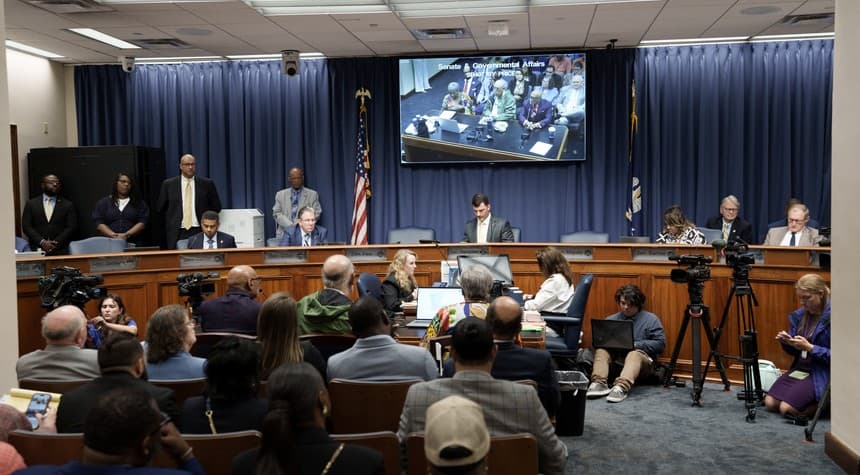
In Louisiana, the Republican-controlled state Senate passed a new congressional map by a 27-10 vote that fell strictly along party lines. The map eliminates one of the state's two Democratic-held, majority-black House districts. If this plan becomes law, and all signs suggest it will given the Republican supermajority in the state House, the GOP stands to pick up an additional congressional seat come November.
The current map features majority-black districts centered in New Orleans and Baton Rouge. The Supreme Court ruled that map unconstitutional, determining that lawmakers had relied too heavily on race when drawing those lines. The proposed replacement includes only a single Democratic district connecting the two cities, which could force Democratic incumbents Troy Carter and Cleo Fields into a political collision course.
Governor Jeff Landry moved swiftly after the high court's ruling, suspending the congressional primary elections just one day later and a mere two days before early in-person voting was scheduled to begin. Thousands of absentee ballots had already been returned by mail at that point.
Democratic state Senator Katrina Jackson-Andrews made her position clear from the Senate floor Thursday. "This Senate should seek to support a map that gives everyone a voice," she said. Democratic lawmakers, civil rights activists, and voting rights advocates have criticized the proposed map for diluting the electoral power of black residents, who comprise approximately one-third of Louisiana's population.
Republicans, including the bill's sponsor, state Senator Jay Morris, maintain the map was drawn for partisan advantage rather than along racial lines. Under the new configuration, Republicans would likely win five of the state's six districts in November.
Meanwhile, South Carolina is following a similar path. Governor Henry McMaster reversed his previous position Thursday and called for a special legislative session beginning Friday to consider redrawing the state's congressional map. This move could potentially oust longtime Democratic Representative Jim Clyburn from Congress in the upcoming midterm elections.
The redistricting wave is sweeping across the region. Tennessee and Alabama have either split up Democratic districts or taken steps to do so. This coordinated push comes as Republicans work to preserve what is expected to be a narrow majority in the House this fall, though Democrats remain favored to win control given President Trump's current approval ratings.
The broader national implications are significant. What happens in these Southern statehouses will reverberate through Congress and shape the political battlefield for years to come. The question facing voters and courts alike is whether these new maps represent legitimate partisan politics or something that crosses constitutional lines.
Related: Trump Expected to Drop IRS Lawsuit in Exchange for Compensation Fund