Governor Abbott Threatens to Withhold Over $200 Million From Texas Cities Over Sanctuary Policies
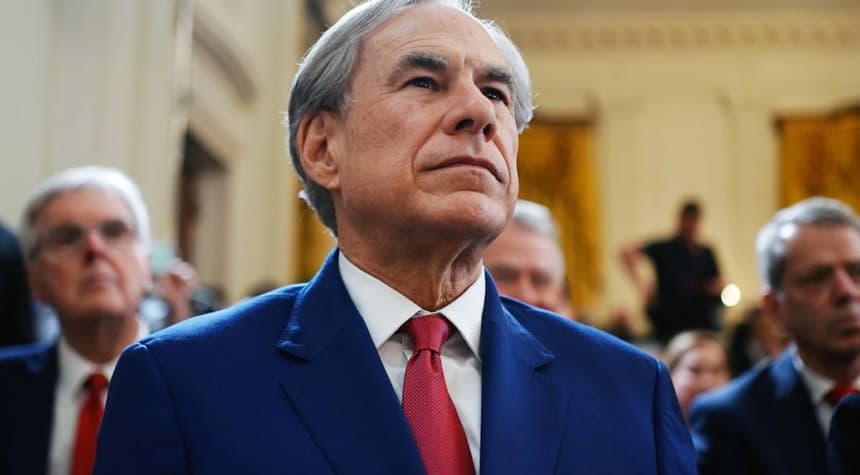
There are moments in politics when the rubber meets the road, when principles clash with power, and when the safety of communities hangs in the balance. This is one of those moments in Texas.
Governor Greg Abbott has drawn a line in the sand, threatening to withhold more than $200 million in public safety grants from three of the state's largest cities over policies that effectively shield illegal immigrants from federal immigration authorities. The standoff represents a fundamental disagreement about public safety, the rule of law, and who gets to make decisions that affect the lives of everyday Texans.
At the heart of this dispute is a policy recently adopted by Houston that prevents local police from waiting 30 minutes for Immigration and Customs Enforcement agents to arrive at a scene to detain individuals with immigration warrants. Dallas faces the potential loss of $90 million in state funds for similar policies, while Austin could see $2.5 million withheld. Houston alone stands to lose $110 million in public safety grants.
The governor did not mince words about his frustration with what he calls the "radical leftists and progressives" running major Texas cities. The irony, as Abbott points out, is hard to miss. Texas has some of the strongest immigration enforcement laws in the nation, yet its own blue cities are adopting policies that would not look out of place in California or New York.
Behind the political rhetoric lies a tragic reality that gives Abbott's position considerable weight. The governor referenced the case of Jocelyn Nungaray, murdered in Houston by two illegal immigrants who had been apprehended and released. This is not an abstract policy debate when families are burying their children.
The question at stake is straightforward enough. Should local police officers wait half an hour for federal immigration authorities to arrive and take custody of individuals wanted on immigration violations? The cities say no, arguing that such delays interfere with their operations and community policing efforts. The governor says absolutely yes, arguing that failure to cooperate with federal immigration enforcement puts communities at risk.
Abbott's position is unequivocal. He will not tolerate policies that allow what he terms "dangerous illegal immigrants" to walk free without ICE having the opportunity to detain them and initiate deportation proceedings. The governor believes the cities are making their communities more dangerous, and he is prepared to use the power of the purse to enforce cooperation.
This confrontation raises larger questions about federalism, local control, and the proper relationship between state and municipal governments. Texas cities have long enjoyed significant autonomy, but that autonomy has limits, especially when state lawmakers believe public safety is at stake.
The cities involved have yet to back down, setting up a potential legal battle that could reshape the relationship between Texas and its urban centers. For now, the threat of withheld funding hangs over city budgets already stretched thin by rising costs and competing demands.
What happens next will tell us much about the balance of power in Texas politics and whether the state's conservative leadership can compel its liberal cities to fall in line on immigration enforcement. The stakes, measured in both dollars and lives, could hardly be higher.
Related: Trump Threatens Iranian Infrastructure if Peace Deal Fails