Trump Threatens Iranian Infrastructure if Peace Deal Fails
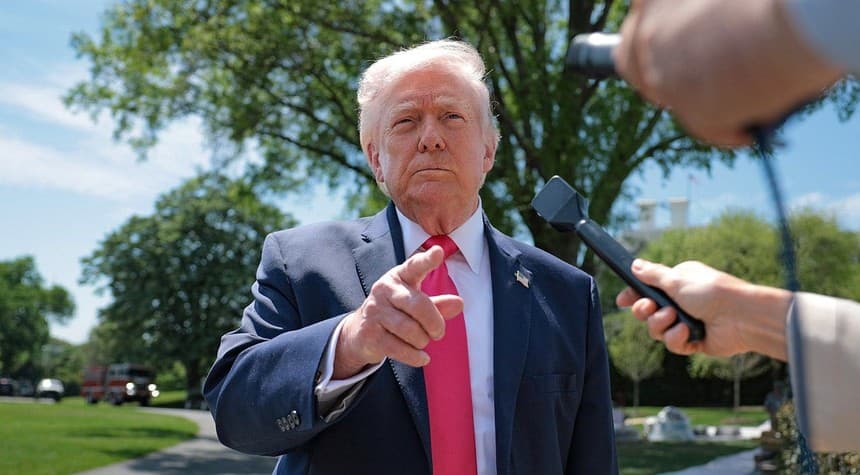
The hard truth about dealing with rogue nations is that sometimes you have to speak in a language they understand, and President Donald Trump made that language crystal clear this week.
The president issued an unmistakable warning to Iran ahead of new diplomatic talks set to take place in Pakistan. If Tehran refuses to reach a peace agreement, Trump stated he would authorize strikes against critical Iranian infrastructure, specifically targeting bridges and power plants. It is the kind of direct talk that has defined this administration's approach to foreign policy, for better or worse.
This warning comes as the White House continues defending the success of Operation Midnight Hammer, the military strike that targeted Iranian nuclear sites. The president took to Truth Social on Monday to push back against what he called media mischaracterization of the operation's effectiveness.
According to Trump's account, the operation achieved a "complete and total obliteration" of nuclear dust sites throughout Iran. The president emphasized that extracting any remaining nuclear material would prove to be a lengthy and challenging endeavor, directly contradicting reports suggesting the mission left significant quantities of weapons-grade uranium intact.
The president reserved particular criticism for news organizations he believes have failed to properly credit American military aviators for their role in the complex operation. Trump characterized these outlets as attempting to "demean and belittle" the accomplishments of service members who carried out the dangerous mission.
The debate over Operation Midnight Hammer's effectiveness has become a focal point in Washington. National security analysts have weighed in with varying assessments of whether the strikes successfully eliminated Iran's enriched uranium stockpiles or whether significant quantities survived the bombardment.
The White House has mounted a sustained defense of the operation's success, even as questions persist about the completeness of the nuclear material's destruction. This tension between official accounts and independent analysis reflects the inherent difficulty in assessing military operations in real time, particularly those involving sensitive nuclear facilities.
The upcoming talks in Pakistan represent a critical juncture in U.S.-Iran relations. Trump's explicit threat against Iranian infrastructure serves as both a negotiating tactic and a statement of intent. The message is straightforward: reach an agreement, or face consequences that would cripple the nation's basic functionality.
Whether this approach yields diplomatic fruit or further escalates tensions remains to be seen. What is certain is that the administration has drawn a line in the sand. Iran now faces a choice between negotiation and the potential destruction of vital infrastructure that keeps the country running.
The stakes could hardly be higher. A successful peace deal would mark a significant foreign policy achievement and potentially defuse one of the world's most dangerous flashpoints. Failure, however, could lead to a broader conflict with unpredictable consequences for the region and beyond.
As these diplomatic efforts unfold in Pakistan, the world watches to see whether Tehran will accept the terms being offered or whether Trump will make good on his promise to strike at the heart of Iran's infrastructure. The coming days will tell us much about both nations' willingness to step back from the brink.
Related: Trump Issues Stark Warning to Iran as Nuclear Deal Negotiations Intensify