Trump Issues Stark Warning to Iran as Nuclear Deal Negotiations Intensify
The situation in the Persian Gulf has reached a critical juncture, and Americans deserve to understand what is truly at stake in this high-wire diplomatic dance between Washington and Tehran.
President Donald Trump delivered an unmistakable message to Iran's leadership this weekend, one that carries the weight of American military might behind every word. The president made clear that if Tehran fails to sign a nuclear agreement, the United States stands ready to dismantle Iran's infrastructure in ways that would fundamentally alter the nation's ability to function.
"If the deal isn't done, the deal that we made, then I'm going to take out their bridges and their power plants," Trump stated plainly. He went further, warning that without an agreement, "the whole country is going to get blown up."
These are not idle threats from a president known for backing his words with action. Trump emphasized the gravity of preventing Iran from obtaining nuclear weapons capability. "We're preparing to hit them harder than any country has ever been hit before because you cannot let them have a nuclear weapon," he said.
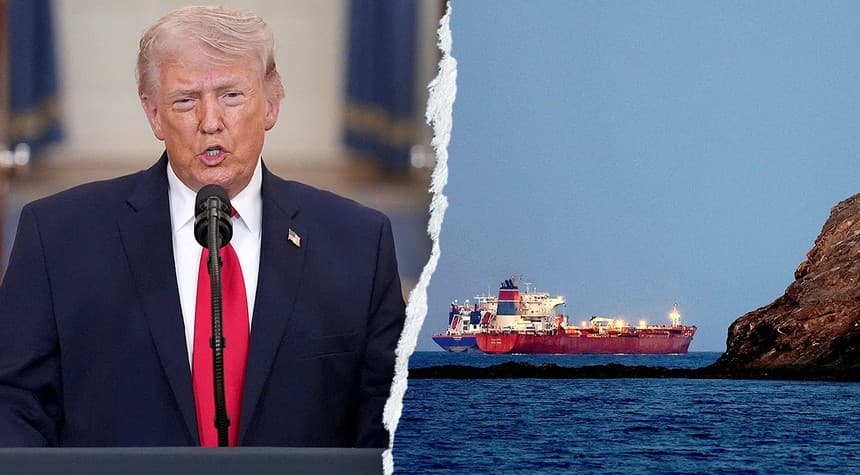
The timing of these warnings coincides with an escalating standoff in the Strait of Hormuz, where the United States Navy has established a blockade that effectively chokes off Iranian maritime commerce. In a remarkable display of either bravado or miscalculation, Iran's Islamic Revolutionary Guard Corps announced their own blockade of the strait, apparently unaware or unwilling to acknowledge that American forces had already sealed off the waterway.
Trump noted the irony with characteristic directness, pointing out that Iran's announcement essentially supported an American operation that costs Tehran approximately five hundred million dollars daily while costing the United States nothing. American ships continue moving toward Gulf Coast ports to load cargo, he observed, "compliments of the IRGC, always wanting to be the tough guy."
The president praised the Navy's execution of the blockade operation, stating they have performed an "unbelievable job" without facing significant challenges from Iranian forces.
However, Saturday brought what Trump characterized as a "total violation" of ceasefire terms when Iranian forces fired upon vessels in the strait, including a French ship and a British freighter. This incident underscores the fragility of the current diplomatic arrangement and the hair-trigger nature of the standoff.
Trump revealed an intriguing dimension to the crisis, describing internal conflict within Iran's power structure between what he termed "moderates" and "crazies," with neither faction gaining clear control. This internal struggle follows months of targeted strikes by Israel and the United States that eliminated multiple layers of Iranian leadership.
Despite the tough talk and military posturing, the president indicated that diplomatic channels remain active. American representatives are scheduled to arrive in Islamabad, Pakistan, for negotiations, suggesting that while Trump keeps the military option prominently displayed, he has not abandoned hope for a peaceful resolution.
The president's approach reflects a calculated strategy of maximum pressure combined with diplomatic engagement. He appears determined to convince Tehran that the cost of defiance far exceeds any benefit, while simultaneously leaving a path toward agreement clearly marked.
What remains uncertain is whether Iran's fractured leadership can coalesce around acceptance of American terms, or whether pride and internal politics will drive them toward a confrontation that Trump has made clear would be devastating. The coming days will reveal whether Tehran chooses pragmatism or defiance.
Related: JD Vance Says Relationship With Vatican More Complicated Than Press Suggests