Governor Opens Door to Service Taxes While Denying Tax-Happy Label
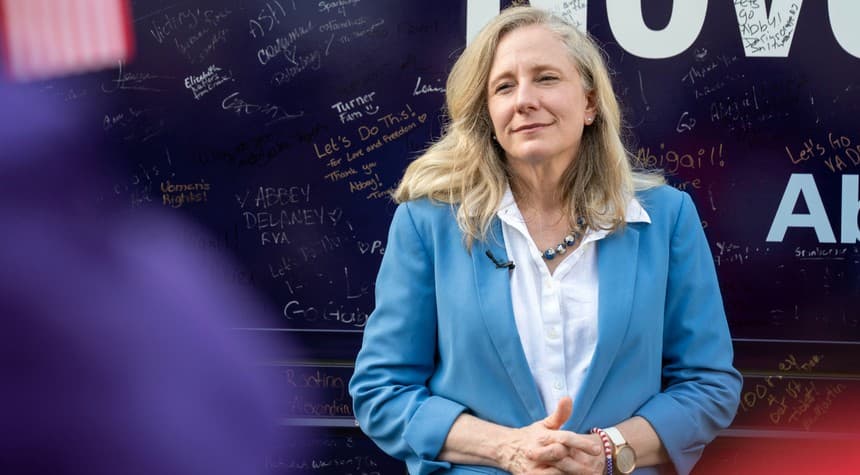
Courage. That word gets thrown around a lot in politics, but what we are witnessing in Virginia right now is something altogether different. Governor Abigail Spanberger has opened a door that many taxpayers hoped would remain firmly shut, and the implications deserve our full attention.
In a recent interview with a local television affiliate, Spanberger did not shy away from the question of whether Virginia might impose taxes on everyday services. When pressed about the possibility of taxing gym memberships, digital subscriptions, and even dog grooming services, the governor's response was telling.
"I think every idea, as long as it's reasonable and makes some amount of sense, should be discussed," Spanberger stated. She went on to suggest that "worthy conversations" should be had about revenue generation as Virginia's economy evolves.
Now, let us be clear about what is happening here. This is not abstract policy discussion taking place in some ivory tower. These are real proposals that would hit real Virginians right where they live, affecting everything from their morning workout to caring for their family pets.
The governor framed her comments around the changing nature of the economy, suggesting that new revenue sources must be explored. But here is the question worth asking: when did the burden of government funding become the responsibility of citizens trying to stay healthy at the gym or maintain a subscription to their favorite streaming service?
What makes this situation particularly noteworthy is the timing. Spanberger finds herself in an uncomfortable position, attempting to balance exploration of new tax revenue while simultaneously defending herself against accusations from the White House that paint her as overly eager to raise taxes on hardworking Americans.
The political tightrope she is walking is precarious indeed. On one hand, she wants to appear open to innovative revenue solutions. On the other, she must avoid confirming the very criticism being leveled against her by the administration.
Virginia families should pay close attention to this development. The services being discussed are not luxury items reserved for the wealthy. These are ordinary expenses that middle-class families budget for every month. A tax on gym memberships affects the single mother trying to stay healthy. A tax on digital subscriptions hits the family trying to find affordable entertainment. A tax on dog grooming impacts pet owners already struggling with veterinary costs and pet care expenses.
The governor's willingness to keep these options "on the table" signals a broader approach to taxation that should concern fiscal conservatives across the Commonwealth. When politicians start viewing every transaction as a potential revenue source, citizens have reason to worry about the size and scope of government.
As this story develops, Virginians will need to watch carefully whether these "worthy conversations" translate into actual legislative proposals. The distance between floating an idea and implementing a policy can be shorter than many people realize, particularly when state budgets face pressure and politicians look for easy solutions.
The question facing Virginia now is simple: will the governor's open door lead to new burdens on taxpayers, or will common sense prevail?
Related: DACA Renewal Delays Leave Hundreds of Thousands in Legal Limbo