DACA Renewal Delays Leave Hundreds of Thousands in Legal Limbo
The wheels of bureaucracy grind slowly, as the old saying goes, but for hundreds of thousands of young immigrants caught in the crosshairs of an overwhelmed system, those wheels have nearly ground to a halt.
Processing times for Deferred Action for Childhood Arrivals renewals have ballooned to unprecedented levels over the past year, leaving individuals who have lived in America since childhood facing job loss, legal vulnerability, and the very real prospect of deportation from the only country most of them have ever known.
The Obama-era program, established in 2012, requires participants to renew their protected status every two years. For more than a decade, this process functioned with relative efficiency. That predictability has evaporated.
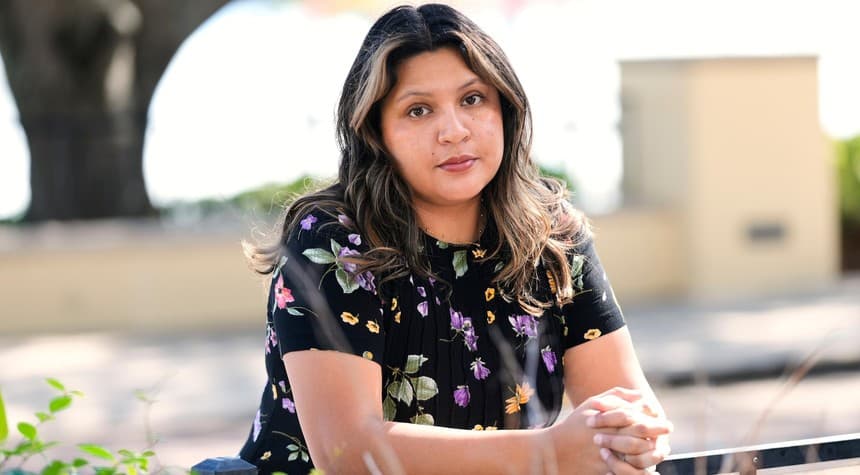
Consider the case of Melani Candia, a special education worker in Florida who has called America home since age six. For over ten years, her biennial renewals proceeded without incident, allowing her to build a life, maintain employment, and contribute to her community. This year proved different. Processing delays caused her to miss her renewal deadline through no fault of her own, resulting in immediate job loss and placing her in legal jeopardy.
The facts paint a troubling picture of administrative dysfunction. Individuals who previously received timely renewals now find themselves in a bureaucratic purgatory, unable to work legally while they wait for the government to process paperwork that was once handled expeditiously.
This situation raises serious questions about federal capacity and priorities. Whether one supports or opposes DACA as policy, the breakdown in basic administrative functions deserves scrutiny. These are not new applications requiring extensive vetting. These are renewals for individuals already in the system, already vetted, already working and paying taxes.
The human cost extends beyond individual hardship. Employers lose trained workers. Students face interrupted education. Families confront uncertainty about their basic legal status in America. The ripple effects touch communities across the nation.
Critics of DACA have long argued the program represents executive overreach, circumventing Congress to create immigration policy by presidential decree. The program's legal status has ping-ponged through federal courts for years. Yet regardless of one's position on DACA's constitutional foundations, the current situation represents a failure of basic governmental competence.
The processing backlog appears to stem from multiple factors, including staffing shortages at immigration services, increased application volumes, and systemic inefficiencies that have compounded over time. What remains clear is that the current state of affairs serves no one's interests well.
Those who entered the country as children through no choice of their own now face consequences for delays entirely beyond their control. Many have no meaningful connection to their countries of birth, speak only English, and have built their entire lives on American soil.
The situation demands answers. Why have processing times increased so dramatically? What resources are needed to address the backlog? How many individuals currently face similar circumstances?
As this story continues to unfold, one thing remains certain: when government systems fail to function as designed, real people pay real prices. The question now is whether anyone in Washington has the will to address it.
Related: House Fraud Committee Chair Drops Out of Minnesota Governor Race