Trump Signs Temporary FISA Extension After Senate Rejects House Plan
The fight over America's surveillance powers has taken another turn, and if you have been following the twists and turns in Washington, you know this story has more layers than a Texas onion.
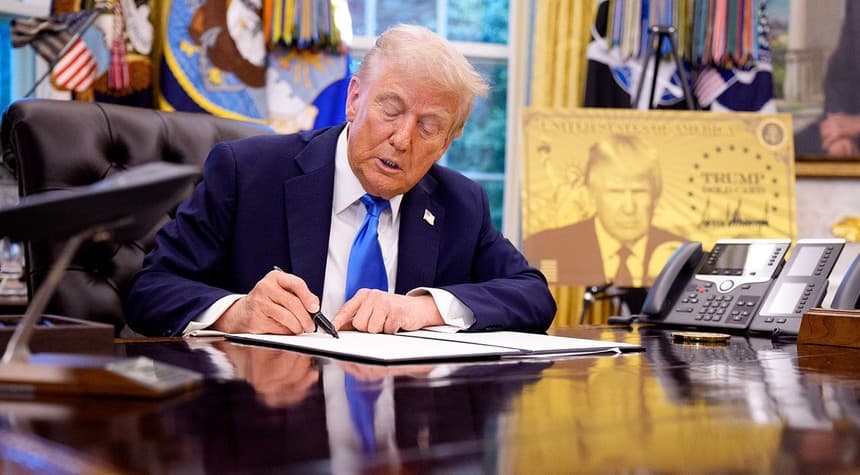
President Donald Trump signed a 45-day extension for Section 702 of the Foreign Intelligence Surveillance Act late Thursday night, a move that came only after the Senate rejected a three-year extension that had already passed the House. The White House confirmed the temporary measure, which now sets up yet another showdown when spring arrives.
Here is where things get interesting. Senate Majority Leader John Thune warned House leaders earlier this week that their three-year extension bill had a poison pill tucked inside. The House version included a permanent ban on the Federal Reserve issuing central bank digital currencies, and Thune made it crystal clear that provision would make the bill "dead on arrival" in the upper chamber.
Thune's prediction proved accurate. The three-year extension failed to advance in the Senate, with Democrats lining up in opposition. Rather than let FISA authorities expire entirely, the Senate approved a 45-day extension through unanimous consent, and Trump signed off on the short-term fix.
Section 702 remains one of the most contentious surveillance tools in the federal government's arsenal. Supporters argue it provides critical intelligence on foreign threats without targeting American citizens. Critics, however, have raised serious concerns about potential abuses and the program's impact on civil liberties.
The inclusion of the digital currency ban reveals the complicated chess game being played on Capitol Hill. House Republicans clearly saw an opportunity to advance multiple conservative priorities in a single piece of legislation. The strategy backfired when Senate leadership drew a hard line, insisting that FISA reauthorization should stand on its own merits.
Now Congress faces the prospect of revisiting this entire debate in 45 days. The temporary extension merely postpones the inevitable reckoning over how America balances national security with constitutional protections. When that 45-day clock runs out, lawmakers will be right back where they started, forced to navigate the same treacherous political waters.
The Senate's use of unanimous consent to pass the stopgap measure suggests there is at least some bipartisan recognition that allowing these surveillance authorities to lapse completely would create serious national security risks. But that agreement extends only to keeping the lights on temporarily, not to any long-term solution.
What happens next remains unclear. Will House Republicans strip out the digital currency provision and try again? Will Senate Democrats propose their own version with additional privacy protections? Or will we see another series of short-term extensions as the two chambers remain deadlocked?
One thing is certain: the American people deserve better than governance by stopgap measure. These surveillance powers affect fundamental questions about privacy, security, and the proper role of government. They warrant serious debate and thoughtful legislation, not last-minute deals to avoid a crisis.
The 45-day countdown has begun. Come spring, Congress will need to find real answers, not just another temporary patch.
Related: Faith-Based University Outside LA Breaks Into Top 25 Conservative Schools Nationwide