Guantanamo Immigration Facility Sits Nearly Empty Despite $73 Million Price Tag
Courage, as they say, is not the absence of fear but the willingness to ask hard questions when the numbers do not add up. And right now, the numbers coming out of Guantanamo Bay tell a story that demands answers.
Just over a year ago, President Trump announced with considerable fanfare his plan to transform the military installation at Guantanamo Bay into a sprawling detention center capable of housing 30,000 individuals awaiting deportation. The promise was bold, the rhetoric forceful, and the intention clear: demonstrate an uncompromising stance on illegal immigration by utilizing one of America's most secure facilities.
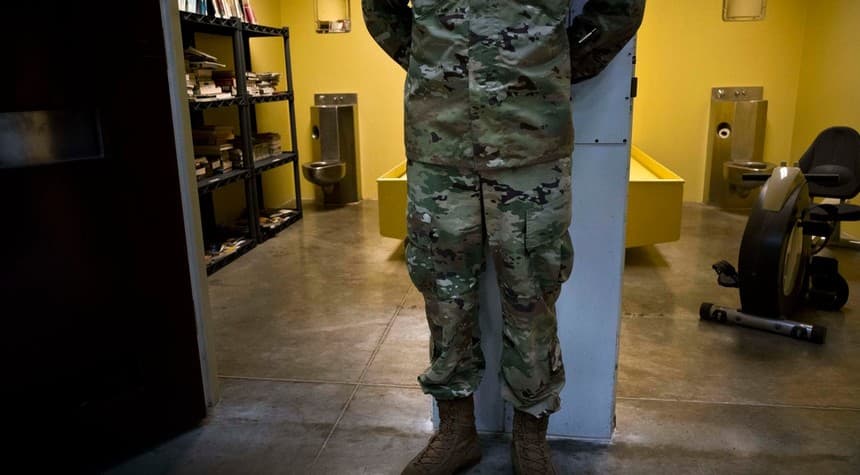
Yet an examination of internal government documents and congressional briefings reveals a troubling gap between promise and reality. As of May 11, the detention facilities at Guantanamo held exactly six immigration detainees, all nationals of Haiti. Six individuals, in a facility designed and funded to hold thousands.
The arithmetic here is stark and unforgiving. Over the past year, 832 immigration detainees have been transferred to the base across more than 100 flights. That means individuals have been cycled through the system, but the facility remains perpetually near empty. Meanwhile, the operation has ballooned to employ 522 Department of Defense personnel, plus approximately 60 additional staff from Immigration and Customs Enforcement and other agencies.
Put plainly, government employees currently outnumber detainees by a ratio of roughly 100 to 1. That is not a typo or an exaggeration. One hundred government workers for every single detainee.
The financial picture is equally concerning. Initial estimates pegged the military costs at $40 million. Updated figures provided to Senator Elizabeth Warren in April reveal the actual Department of Defense expenditure has climbed to $73 million. That figure covers only the military side of the ledger, not the full operational costs.
This raises fundamental questions about fiscal responsibility and government efficiency. Taxpayers deserve to know why a facility projected to house tens of thousands sits nearly vacant while consuming tens of millions of dollars. They deserve transparency about whether this represents strategic flexibility or bureaucratic overreach.
The administration's supporters might argue that maintaining surge capacity for immigration enforcement justifies the expense. Perhaps the infrastructure serves as deterrent, or perhaps operational challenges have prevented full utilization. These are legitimate considerations worth exploring.
But the burden of explanation rests with those spending public money. In an era of trillion-dollar deficits and mounting national debt, every dollar matters. A detention operation that costs $73 million to house six people represents either spectacular inefficiency or a fundamental miscalculation of need.
The American people, regardless of their position on immigration policy, have a right to expect competent execution of government programs. They have a right to demand that bold announcements be matched by effective implementation. And they have a right to accountability when the gap between rhetoric and results grows this wide.
The facts here speak with uncomfortable clarity. What was promised as a major enforcement tool has become, at least for now, an expensive monument to unrealized ambition. Whether that changes in the months ahead remains to be seen, but the current reality cannot be ignored or explained away.
Related: Michigan Lawmakers Introduce Assisted Suicide Bill with Strict Safeguards