Harris Condemns Iran Operation as Trump Declares Mission Near Completion
The contrast could not be starker, and it speaks volumes about where we are as a nation.
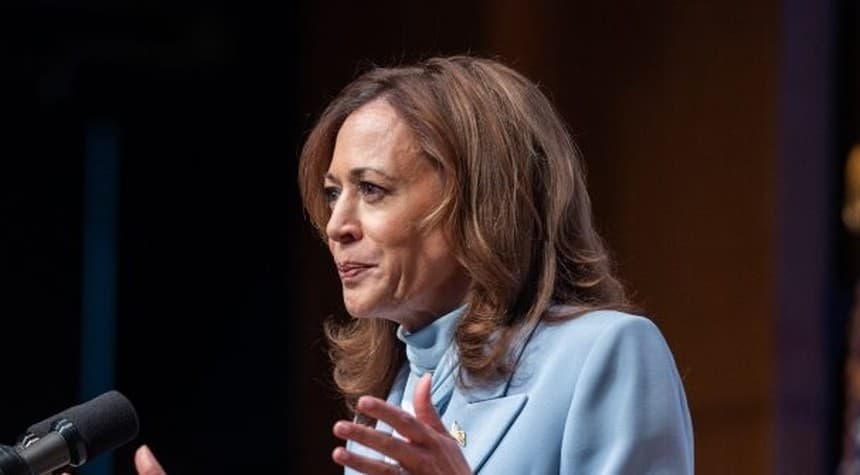
Former Vice President Kamala Harris took aim at President Donald Trump on Wednesday, releasing a video statement just hours before his prime-time address on Operation Epic Fury. Her message was blunt and unsparing. She accused the president of dragging America into an unwanted conflict, putting service members in harm's way, and ignoring pressing domestic concerns while costs continue to rise.
"He brought America into a war that people do not want," Harris said in her recorded statement. She urged Americans to focus on the president's actions rather than his rhetoric, predicting he would attempt to claim victory despite what she characterized as mounting problems.
But when President Trump addressed the nation Wednesday night, he painted a dramatically different picture of the military operation against Iran. According to the commander in chief, the campaign has achieved devastating results against the Islamic Republic's military capabilities.
"Iran's navy is gone, their air force is in ruins," Trump declared during his televised update. He reported that much of Iran's leadership had been eliminated and that command structures within the Islamic Revolutionary Guard Corps were being systematically dismantled.
The president detailed extensive damage to Iran's military infrastructure, stating that missile and drone capabilities had been "dramatically curtailed" and weapons factories reduced to rubble. He maintained that the administration's core objectives were nearly accomplished, including destroying Iran's naval and air forces, eliminating its missile programs, preventing nuclear weapons development, and crippling support for terrorist organizations.
Earlier in the day, Trump revealed on social media that Iran had requested a ceasefire, though he made clear the United States would only consider such negotiations once the Strait of Hormuz was fully reopened to international shipping.
The president outlined an aggressive timeline, indicating military operations would continue for two to three weeks with the stated goal of setting Iran's military capabilities back decades. He described Iran's nuclear facilities as so heavily damaged that accessing them would take months, and warned that any attempt to restart the nuclear program would trigger immediate American retaliation.
"They have no anti-aircraft equipment, their radar is 100 percent annihilated," Trump said, noting that the sites remain under constant satellite surveillance. Any movement toward nuclear development, he warned, would be met with swift missile strikes.
In a notable strategic decision, Trump said his administration deliberately avoided targeting Iran's oil and energy infrastructure, preserving the country's ability to rebuild should new leadership emerge willing to engage in peace negotiations. However, he made clear those facilities remain potential targets if Tehran refuses to cooperate.
Addressing domestic concerns about rising gas prices, Trump began to explain America's energy production capacity before his remarks concluded.
The competing narratives from Harris and Trump underscore the deep political divisions over military engagement in the Middle East and raise questions about public support for extended operations in the region.
Related: Trump Says United States No Longer Dependent on Middle Eastern Oil Imports