
The times, they are indeed changing when it comes to what Uncle Sam says belongs on your dinner plate.
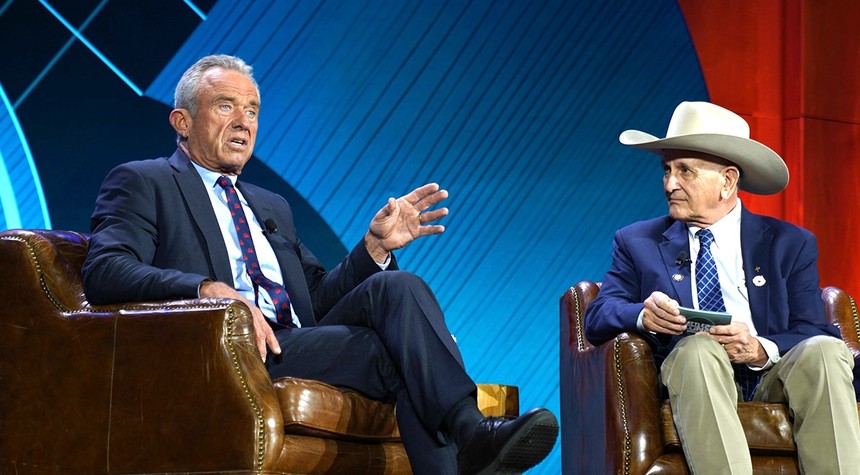
Health and Human Services Secretary Robert F. Kennedy Jr. stood before thousands of cattle ranchers in Nashville this week and delivered a message that would have been unthinkable in recent years. The war on protein, he declared, is over. Beef is back on the menu.
Speaking at the National Cattlemen’s Beef Association trade show, Kennedy participated in what organizers called a “fireside chat” with NCBA president Buck Wehrbein. The gathering drew more than 9,400 attendees, a mix of industry professionals and working ranchers from across the country. These are the folks who rise before dawn, work the land, and keep America fed, often with little recognition for their efforts.
The secretary’s message represented a stark departure from years of federal dietary guidance that seemed to view animal protein with suspicion, if not outright hostility. Kennedy praised the ranchers as essential partners in advancing the new Dietary Guidelines for Americans, guidelines he said would be grounded in real nutrition rather than ideology or industry pressure from other sectors.
The updated federal recommendations now prioritize protein, fruits, and vegetables while urging Americans to reduce their consumption of ultra-processed foods. It is a common sense approach that acknowledges what grandmothers have known for generations: real food matters.
Kennedy thanked the nation’s cattle ranchers for producing nutrient-dense food, stewarding the land, and sustaining rural communities. These are not small contributions. Rural America forms the backbone of our food system, yet these communities have watched their way of life come under increasing scrutiny and regulation in recent years.
For his part, Wehrbein expressed appreciation that Kennedy was making certain beef remains at the center of the plate for American consumers. The cattlemen and women in that Nashville hall understood they were witnessing something significant, a potential turning point in how the federal government approaches nutrition policy.
The speech came just one day after Tennessee Governor Bill Lee welcomed Kennedy to the Volunteer State, underscoring the political significance of the message.
Food and Drug Administration Commissioner Dr. Marty Makary has also been discussing these updated dietary guidelines, emphasizing the shift toward whole foods and away from the ultra-processed products that now dominate American grocery stores and diets.
The question worth asking is whether this represents a genuine course correction or merely political theater. Time will tell if the new guidelines translate into meaningful policy changes that support American ranchers and improve public health outcomes.
What seems clear is that the conversation around nutrition has shifted. After years of conflicting messages and guidelines that often seemed disconnected from both common sense and emerging science, the federal government appears to be acknowledging that protein from sources like beef plays a valuable role in a healthy diet.
For America’s ranchers, that acknowledgment is long overdue. For consumers trying to navigate an increasingly confusing food landscape, clarity about the value of real, whole foods cannot come soon enough.
Related: Virginia Democrats Push New Tax on Fantasy Football Leagues