House Republicans Push Forward Bill to Ban Congressional Stock Trading
The corridors of power in Washington have long been paved with more than just good intentions. They have been lined with stock portfolios that seem to grow with uncanny timing, and the American people have had just about enough of it.
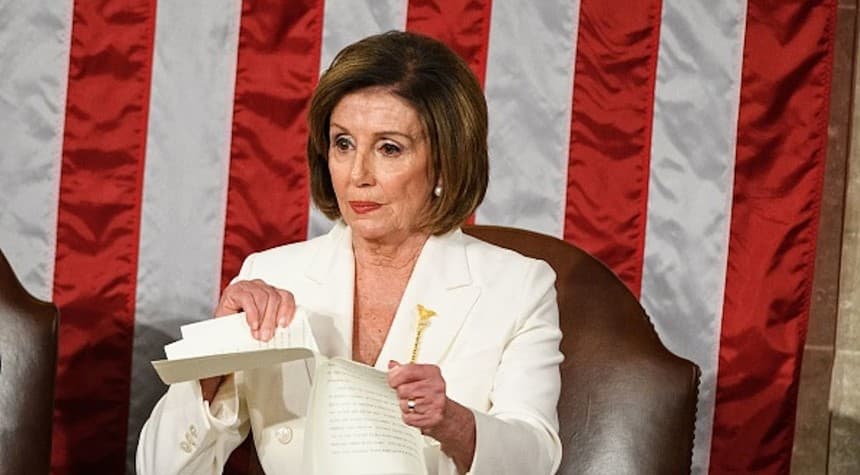
Five years ago, the issue burst into the national spotlight when trading activities by former House Speaker Nancy Pelosi came under scrutiny. Now, lawmakers may finally be forced to address what has become a festering wound in the public's trust of their elected representatives.
Representative Bryan Steil of Wisconsin introduced legislation on Monday that carries a straightforward title and an even more straightforward message. The "Stop Insider Trading Act" aims to do what its name suggests, and Steil minced no words when addressing his colleagues about the measure.
"If you want to trade stocks, you should go to Wall Street," the Wisconsin Republican declared, drawing a clear line between public service and personal profit.
The legislation would prohibit members of Congress from purchasing individual stocks while serving in office. However, the bill stops short of forcing divestment of securities lawmakers already owned before taking their oath of office. This represents a compromise of sorts, though one that still marks a significant departure from current practice.
Under the proposed rules, lawmakers would be limited to investing in index funds when it comes to buying power. Their ability to sell remains less restricted, though not entirely unchecked. Any sale of individual securities would require seven days advance notice, a provision designed to provide transparency and accountability.
The legislation leaves other investment vehicles untouched. Real estate, bonds, and commodities remain fair game for congressional portfolios.
Chris Josephs, whose work exposing congressional trading patterns helped spark this national conversation, expressed cautious optimism about the measure. He noted that while the bill may not be perfect, it represents meaningful progress by imposing stricter penalties and steering lawmakers toward broader market investments that are considerably more difficult to manipulate through insider knowledge.
The bill casts a wider net than just the lawmakers themselves. Spouses and dependent children would face the same restrictions, though the legislation attempts to thread a careful needle on this point. Only minor children and adult children still claimed as dependents would be covered, addressing previous concerns that such measures might unfairly limit the career prospects of lawmakers' offspring.
Representative Anna Paulina Luna of Florida has been particularly vocal on this issue and claims credit for pushing the legislation forward. The Florida Republican pointed to a discharge petition that garnered bipartisan support as the catalyst for finally moving the needle on this long-stalled issue.
Luna has previously argued that anything less than comprehensive reform would amount to window dressing. Her position has been clear: close the loophole entirely or risk leaving the door open for continued abuse.
Steil reports having the backing of House Republican leadership, who have committed to bringing the measure to the floor for a vote once committee deliberations and amendments are complete. The Wisconsin lawmaker frames the legislation as more than just policy reform. He sees it as "an opportunity to regain America's trust."
That trust has been badly eroded by years of questions about whether those making the laws are also making a killing in the market based on information unavailable to ordinary Americans. Whether this bill represents genuine reform or merely political theater remains to be seen, but the fact that it has reached this stage suggests the pressure from constituents has finally become impossible to ignore.
Related: Suspicious Object at Palm Beach Airport Prompts Security Changes for Trump Departure