Iran Attack Dominates Texas Senate Race Hours Before Primary Voting Begins
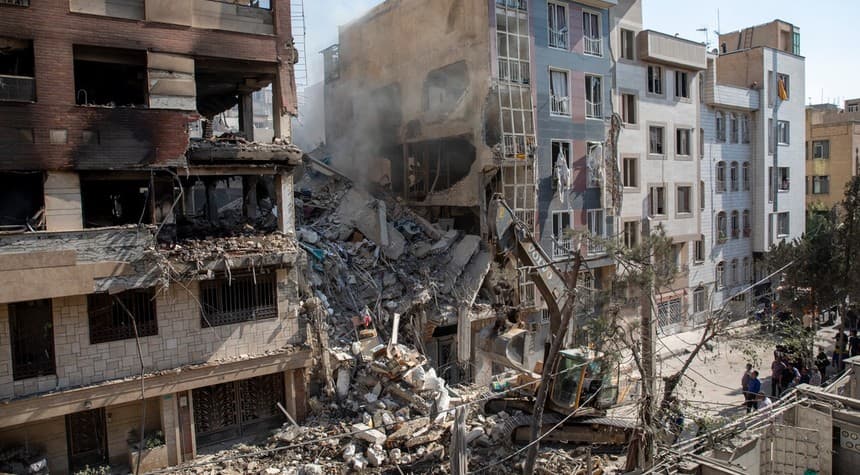
The courage of convictions, they say, reveals itself most clearly in moments of crisis. As Texans prepare to cast their ballots in what may prove the most consequential Senate primary in a generation, the smoldering ruins in Iran have become an unexpected litmus test for candidates on both sides of the aisle.
The facts are these: President Donald Trump ordered strikes on Iran that resulted in the death of Supreme Leader Ayatollah Ali Khamenei. Three American service members paid the ultimate price in the operation. The attacks, now in their second day, have transformed a already volatile Senate race into something approaching a powder keg.
Senator John Cornyn, the Republican incumbent fighting to keep his seat, did not mince words when discussing the president's decision. The strikes were "very decisive," he said, adding that Trump stands alone among presidents in his lifetime for his willingness to take such action against terrorism and radical Islam. Cornyn characterized the operation as well-planned, though he cautioned that Iran retains significant capability to inflict casualties throughout the region.
The senator's assessment reflects a broader Republican embrace of the military action. Texas Attorney General Ken Paxton, Cornyn's primary challenger and a prominent figure in the MAGA movement, thanked Trump for what he termed "courageous leadership." Paxton, who has weathered numerous controversies during his tenure, declared Operation Epic Fury an "overwhelming and historic military success" that has decimated a terroristic regime.
Representative Wesley Hunt, the West Point graduate and Apache helicopter pilot who represents the Houston area, echoed this sentiment with characteristic brevity, praising what he called "peace through American strength."
The Democratic candidates seeking to flip this traditionally Republican seat have taken a markedly different stance, condemning the airstrikes outright. Their opposition underscores the deep partisan divide over foreign policy that continues to define American politics.
This Senate contest carries implications far beyond the Lone Star State's borders. With Republicans holding a 53-47 majority in the chamber, races like this one will determine whether the GOP maintains control. The stakes, in other words, could scarcely be higher.
What makes this situation particularly noteworthy is Trump's studied neutrality in the primary. Despite his enormous influence over the Republican Party, the president has declined to endorse any of the three candidates vying for his approval. All three attended his event in Corpus Christi, each hoping to secure his backing before voters head to the polls.
The timing of these strikes, coming mere hours before primary day, raises questions that deserve serious examination. Whether by design or circumstance, foreign policy has suddenly become the central issue in a race that had focused primarily on border security and economic concerns.
For Texas voters, the choice has crystallized with unusual clarity. The Republican candidates stand united behind the commander-in-chief's decision to strike Iran. The Democratic hopefuls have drawn a line in the sand opposing military action. There is precious little middle ground to be found.
As the sun sets on the final day of campaigning, one truth remains self-evident: the reverberations from Iran will echo in voting booths across Texas, and quite possibly, in the balance of power in Washington for years to come.
Related: Trump Acknowledges Risk of Prolonged Conflict as Military Strikes Iran