Kennedy and Rollins Set to Unveil Health Initiative as Policy Changes Spark National Debate
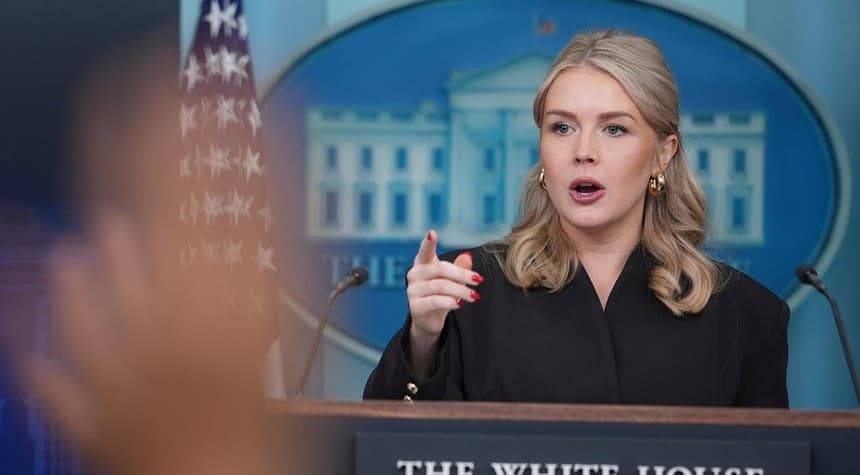
The corridors of power in Washington are buzzing with activity on multiple fronts this week, and the American people deserve a clear-eyed look at what is unfolding.
Health and Human Services Secretary Robert F. Kennedy Jr. and Agriculture Secretary Brooke Rollins are scheduled to make what the White House is calling a "major MAHA announcement" on Wednesday. The "Make America Healthy Again" initiative has been a cornerstone of this administration's domestic agenda, though the timing of this announcement raises questions that any seasoned observer of Washington cannot ignore.
Just days before this scheduled briefing, the Centers for Disease Control and Prevention made a significant policy shift. The agency, which falls under Kennedy's purview at HHS, has scaled back its recommended childhood immunization schedule. The changes eliminate recommendations for vaccinations against hepatitis A, hepatitis B, and rotavirus—immunizations that the CDC's own published research credits with preventing more than 90,000 deaths and nearly 2 million hospitalizations over the past three decades.
This is the kind of policy reversal that demands scrutiny and explanation. Parents across America rely on federal health guidance to make critical decisions about their children's wellbeing.
But domestic health policy is not the only matter commanding attention at 1600 Pennsylvania Avenue this week. The international situation has taken dramatic turns that would have seemed implausible in another era.
The United States has seized two Venezuela-linked vessels—an oil tanker in the North Atlantic and another in the Caribbean Sea. This action follows the capture of ousted Venezuelan President Nicolás Maduro, who pleaded not guilty on Monday to charges of narco-terrorism, cocaine-importation conspiracy, and weapons violations.
President Trump has stated unequivocally that the United States will "run" Venezuela and oversee the sale of the country's oil. He has announced that Venezuela will be "turning over" between 30 million and 50 million barrels of oil, warning of potential military intervention should cooperation falter. A meeting with U.S. oil executives is scheduled at the White House for Friday.
Meanwhile, in another corner of the globe, the administration has not ruled out acquiring Greenland through military force. White House officials confirmed Tuesday that they are discussing a wide range of options for obtaining the Danish territory, including military action, purchase negotiations with Denmark, or establishing a compact of free association.
These are extraordinary times that call for clear-headed analysis. The convergence of sweeping domestic health policy changes with aggressive international maneuvers presents a moment that historians will undoubtedly examine for years to come.
The American people have a right to understand the reasoning behind these decisions and their potential consequences. Whether one supports or opposes these policies, the scope and speed of these actions demand serious consideration and vigorous public debate.
As this administration continues to chart its course on multiple fronts simultaneously, the questions multiply faster than the answers arrive.
Related: Trump Administration Freezes Over $10 Billion to Five States Over Fraud Concerns