Long Island Rail Road Strike Enters Critical Phase as Monday Commute Looms
The picket lines stretched across New York City and Long Island on Sunday, a visible reminder that sometimes the machinery of daily life can grind to a halt when working people decide they have had enough.
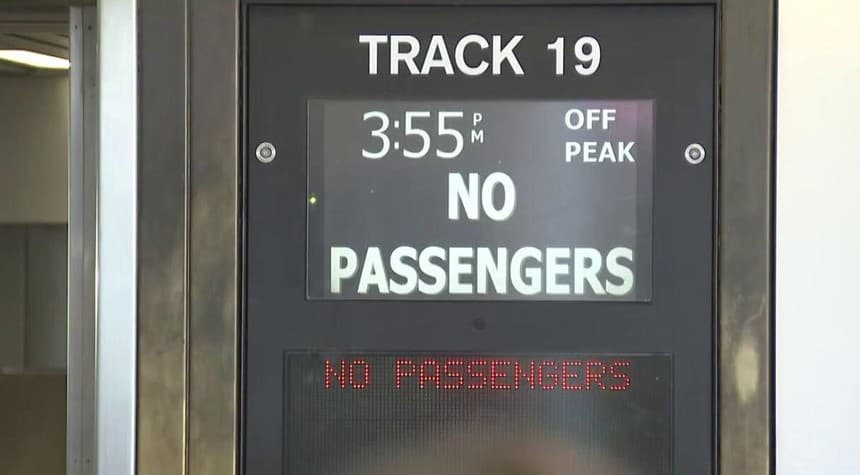
Long Island Rail Road workers remained on strike for a second day, and while weekend baseball fans scrambling to reach the Subway Series faced inconvenience, the real test arrives Monday morning when a quarter million commuters discover their usual route to work has vanished.
There is a glimmer of hope. The National Mediation Board summoned union leaders and Metropolitan Transportation Authority management to the table Sunday evening, though whether cooler heads will prevail remains an open question.
The numbers tell a stark story. The LIRR carries roughly 250,000 riders on a typical weekday, making it the busiest commuter rail system in North America. Come Monday, those riders will be hunting for alternatives, and the pickings are slim.
The MTA activated its contingency plan, which sounds more reassuring than it actually is. The agency recommends certain subway stations as drop-off points for those fortunate enough to have someone willing to drive them. For everyone else, there are limited free shuttle buses departing at 4:30 in the morning from select Long Island stations to Queens subway connections.
The catch is worth noting. Those shuttles are reserved for essential workers and those unable to work from home. Bay Shore, Hicksville, Mineola and Lakeview riders can reach Howard Beach-JFK Airport station. Ronkonkoma and Huntington passengers head to Jamaica-179th Street. The MTA is also offering commuter parking at Citi Field for six dollars, connecting to the Mets-Willets Point subway station.
At the heart of this disruption lies a familiar American story: workers and management locked in disagreement over salaries and healthcare premiums. Months of negotiations produced more frustration than progress.
Karl Bischoff, president of the Brotherhood of Locomotive Engineers and Trainmen, pulled no punches in his assessment. "The MTA never really came to the table to negotiate until we had to call them out at their last board meeting," he said. "There is no sense of urgency, as has been said before. It just seems like the MTA board is never held accountable. My members are always held accountable for their actions."
Union representative Steve Ammirati added a point that resonates in these inflationary times. "The raises weren't really raises, when you factor in inflation."
MTA President and CEO Janno Lieber sees things differently, and his response carries the sharp edge of an executive who believes his workers are asking for too much. "Just to be perfectly clear, we never broke off negotiations," Lieber stated. "The union elected to cut off negotiations and go on strike and inconvenience everybody. That was their choice."
Lieber continued with language that will not sit well with union members. "These are by far the best-paid workers in the entire national railroad system, and they want a better deal than every other MTA worker. That's not fair. These guys seem to think they are special, they are better than everybody else, and we're not going to blow the MTA's budget and put more burdens on taxpayers and riders."
The truth, as it often does, likely sits somewhere between these competing narratives. What remains indisputable is that come Monday morning, hundreds of thousands of people will pay the price for this impasse, their commutes transformed into obstacle courses through no fault of their own.
The MTA promises pro-rated refunds for May monthly ticket holders, a small consolation for those facing alarm clocks set hours earlier than usual and journeys that will test both patience and resolve.
Related: Navy Commodore Launches Campaign to Flip Tampa Bay Congressional Seat