
The line has been drawn in Maryland, and it runs straight through the halls of local law enforcement agencies where sheriffs are standing firm against what they see as political meddling in public safety.
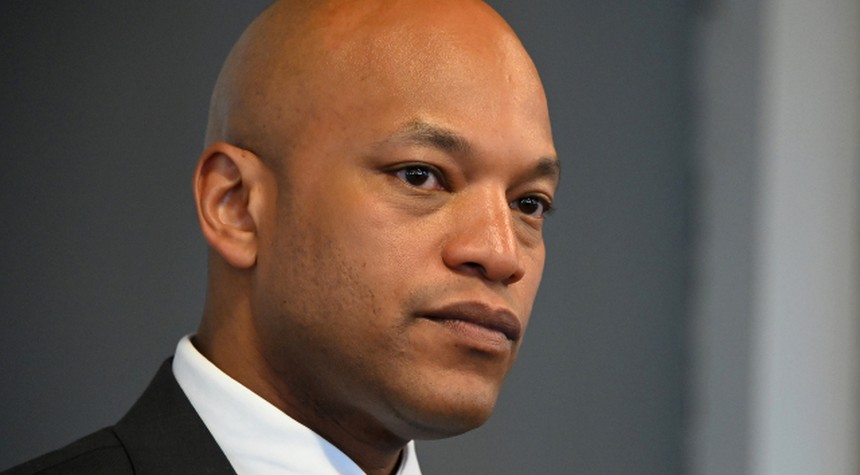
Governor Wes Moore is poised to sign legislation that would prohibit official agreements between local police departments and Immigration and Customs Enforcement. The bill targets what are known as 287(g) agreements, which eight Maryland counties currently maintain. These arrangements come in two varieties. The first allows correctional officers to identify noncitizens and hold them for up to 48 hours for ICE pickup. The second permits officers to serve warrants on jailed noncitizens.
But several county sheriffs are making it abundantly clear they have no intention of backing down.
Carroll County Sheriff James DeWees put it plainly. No politician or legislative body will prevent him from communicating with another law enforcement agency on matters of public safety in his community. He intends to continue his work regardless of what the state mandates. DeWees pointed out the fundamental flaw in the legislation: it eliminates the agreements but provides no alternative solution. His response is straightforward. He will create a policy within his office to maintain cooperation with ICE.
Frederick County Sheriff Chuck Jenkins sees the political machinery at work. He characterizes the entire effort as political theater, asserting that Democrats oppose any cooperation with ICE and seek to eliminate enforcement altogether.
The resistance extends beyond individual sheriffs. Washington County officials recently approved a resolution expressing full support for the Department of Homeland Security, ICE, and other law enforcement agencies. The resolution declares the county’s intent to support federal immigration enforcement while ensuring all persons are treated with dignity and compassion.
Governor Moore has attempted to justify the legislation by claiming ICE is deploying untrained and unaccountable agents into communities and detaining five-year-old children. He argues this approach fails to improve community or national safety and demands accountability.
However, that claim about ICE detaining a five-year-old in Minnesota has been thoroughly debunked. The story went viral after a Minnesota congresswoman shared a local news report suggesting ICE took custody of a five-year-old boy being driven to school by his father, who is in the country illegally. The reality proved quite different. ICE agents remained with the boy, identified as Liam Ramos, only after his father was taken into custody, and they had no choice but to ensure the child’s safety until other arrangements could be made.
The controversy in Maryland reflects a broader national debate about the proper relationship between local law enforcement and federal immigration authorities. Sheriffs like DeWees and Jenkins argue that cooperation with ICE is essential for maintaining public safety and upholding the rule of law. They view the state legislation as an intrusion into their constitutional duties and operational independence.
The practical implications of this standoff remain uncertain. While the state may ban official agreements, sheriffs maintain they retain the authority to communicate and cooperate with federal agencies on law enforcement matters. The question of whether state legislation can effectively prevent such cooperation may ultimately require judicial resolution.
What is certain is that these Maryland sheriffs have planted their flag and are prepared to face whatever consequences may come from their defiance.
Related: Immigration Officers Turn to Face Coverings After Wave of Violent Threats