The numbers tell a troubling story that demands answers from Minnesota officials, and those answers need to come sooner rather than later.
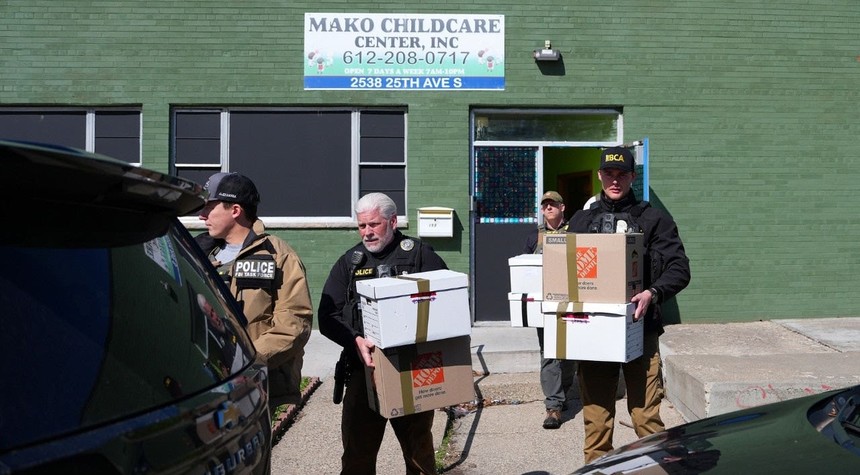
Over the past eight years, Minnesota’s Child Care Assistance Program funneled more than $67 million in taxpayer-funded childcare subsidies to nine daycare providers. Several of these facilities found themselves on the receiving end of federal raids just last week, raising serious questions about oversight and accountability in a program designed to help working families.
State records paint a picture that should concern every Minnesota taxpayer. In the final two years of publicly available data, payments through the program to these nine centers more than doubled, jumping from approximately $8 million to significantly higher amounts. That kind of explosive growth in government spending always warrants scrutiny, but when federal authorities come knocking with search warrants, it demands immediate investigation.
Now, here is where the situation gets particularly interesting. Federal authorities have not yet filed charges, which means we must be careful about rushing to judgment. The absence of charges makes it impossible to determine precisely how much, if any, of this $67 million represents fraudulent activity. But the presence of federal investigators conducting raids suggests this is far more than a routine audit.
The lack of transparency surrounding these raids raises its own set of concerns. Authorities have not released an exhaustive list of the daycare facilities targeted in last week’s operations. What we know comes from public records that confirm several of the raided locations were indeed recipients of substantial state subsidies through the Child Care Assistance Program.
This investigation comes at a particularly sensitive time for Minnesota, as the state continues to grapple with fallout from other alleged fraud schemes involving public assistance programs. The pattern emerging suggests potential systemic vulnerabilities in how the state monitors and distributes taxpayer dollars intended for vulnerable populations.
The Child Care Assistance Program serves a critical function, helping low-income families afford quality childcare so parents can work and children can thrive. When fraud infiltrates such programs, it does double damage. It steals from taxpayers and simultaneously undermines public support for legitimate assistance programs that serve genuine needs.
Minnesota officials now face hard questions about their oversight mechanisms. How did payments to these facilities more than double without triggering additional scrutiny? What safeguards existed to verify that claimed services were actually being provided? Were there warning signs that went unheeded?
The timing of the payment increases, concentrated in the most recent years of available data, suggests either rapidly expanding legitimate operations or something far more concerning. Federal investigators will ultimately make that determination, but state officials cannot simply wait for federal conclusions before examining their own processes.
Taxpayers deserve to know how their money is being spent and what protections exist to prevent abuse. The families who depend on childcare assistance deserve to know that the programs designed to help them operate with integrity. And the legitimate daycare providers who play by the rules deserve a system that does not allow bad actors to exploit public trust.
This story is still developing, and fairness demands we allow the investigative process to proceed. But transparency and accountability cannot wait for final verdicts. Minnesota officials must explain what happened, how it happened, and what they are doing to ensure it does not happen again.
Related: FBI Raids Office of Virginia’s Second Most Powerful Democrat in Corruption Probe