
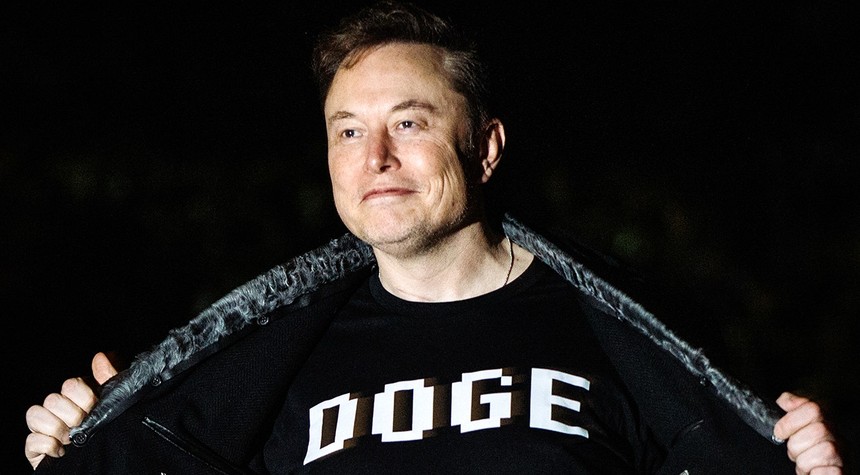
The numbers tell one story, but Elon Musk’s personal ledger tells quite another.
The Department of Government Efficiency announced Friday that federal agencies have terminated or scaled back 55 contracts over the past three days, representing a ceiling value of $1.6 billion and claiming $542 million in actual savings. These are the kinds of figures that would normally have government reformers celebrating in the streets.
Yet Musk himself, the Tesla founder whose name became synonymous with the initiative, has publicly stated that these accomplishments, however impressive on paper, were not worth the backlash his electric vehicle company has faced from angry activists.
This is a remarkable admission from a man who has built empires by charging headlong into controversy and emerging victorious on the other side.
The Department of Government Efficiency was launched during the opening days of President Donald Trump’s second administration as part of a sweeping effort to reshape federal spending and cut through the bureaucratic undergrowth that has choked Washington for decades. The department’s name itself was a nod to Musk’s high-profile involvement, referencing a cryptocurrency meme that the entrepreneur had previously championed.
While Musk has since stepped back from the project, the framework he helped establish remains active across federal agencies. The machinery continues to turn, identifying wasteful contracts and eliminating unnecessary spending with the kind of efficiency that government watchdogs have long demanded but rarely witnessed.
The White House has indicated it will send a $9.4 billion package of cuts to Congress next week, representing the fruits of this ongoing effort to trim the federal budget.
But here is where the rubber meets the road. Musk’s candid acknowledgment that the personal and professional costs have outweighed the benefits raises uncomfortable questions about what it takes to reform government in modern America. When a billionaire entrepreneur who has revolutionized multiple industries says the fight was not worth fighting, we ought to pay attention.
The backlash against Tesla has been swift and coordinated. Activists opposed to the government efficiency initiative have organized boycotts and social media campaigns targeting Musk’s business interests. The strategy is as old as politics itself: if you cannot defeat the message, attack the messenger where it hurts most, which in this case means his pocketbook.
This represents a troubling development in American civic life. Government waste is not a partisan issue, or at least it should not be. Taxpayers across the political spectrum have a vested interest in ensuring their dollars are spent wisely rather than squandered on contracts that serve no legitimate purpose.
The question now becomes whether the DOGE framework can continue to deliver results without Musk’s direct involvement, and whether other business leaders will be willing to step forward knowing the personal costs that may await them. Half a billion dollars in savings over three days is nothing to sneeze at, but if the price of achieving such results is the destruction of private enterprises through coordinated activism, we may find ourselves with fewer volunteers willing to take on the task of government reform.
The work continues, but the cost of doing that work has been made abundantly clear.
Related: Editorial Board Cautions Golden State Against Chasing Away Its Wealthiest Taxpayers