The facts of this case tell a story that ought to trouble anyone who believes in honest debate and clear-eyed examination of difficult truths.
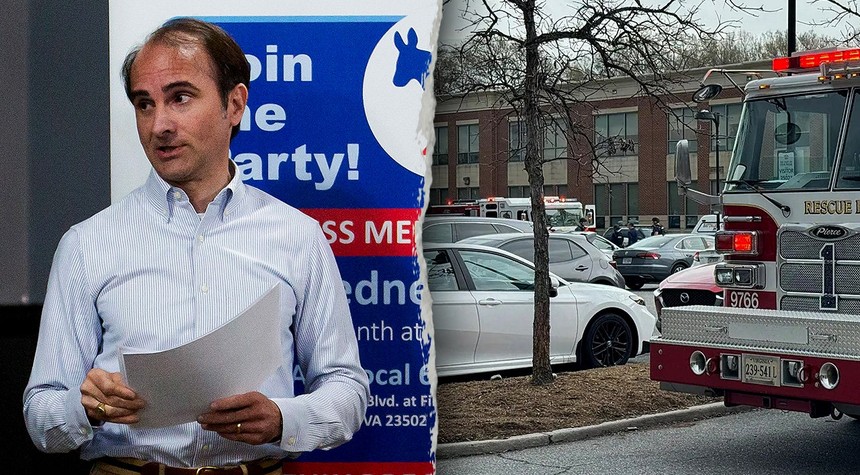
In Norfolk, Virginia, Commonwealth Attorney Ramin Fatehi has chosen to plant his flag firmly on one side of the gun debate following Thursday’s mass shooting at Old Dominion University. His position raises questions that go beyond the usual back-and-forth about the Second Amendment.
Fatehi, whose campaign received backing from organizations funded by billionaire George Soros, made waves during a press conference when he directed blame for the shooting squarely at pro-gun lawmakers and judges. When pressed to clarify his remarks, he did not retreat an inch.
“I absolutely stand by what I said. It is the truth, no matter how much the gun lobby wants to deny it,” Fatehi declared. He characterized the position of gun rights advocates as one of “absolutism” that he believes contributes to mass violence.
Now, here is where the story takes a turn that demands our attention.
The shooter in this case was a former National Guardsman and naturalized citizen from Sierra Leone. His public record includes documented support for Islamic terrorism. These are not minor details to be brushed aside in service of a preferred narrative.
The question becomes unavoidable: How does one square the prosecutor’s focus on gun rights advocacy with the shooter’s documented extremist ideology? It is a fair question that deserves a fair answer.
Fatehi’s comments reflect a broader tension in how Americans discuss these tragedies. There are those who believe that access to firearms represents the primary variable in mass violence. There are others who point to ideology, mental health, security failures, and cultural factors as equally or more significant contributors.
The prosecutor’s willingness to maintain his position even when confronted with facts about the shooter’s background suggests a predetermined conclusion rather than an investigation following the evidence wherever it leads.
This approach carries risks. When public officials responsible for prosecuting crimes make sweeping political statements before all facts are known, it can undermine public confidence in the impartiality of justice. It also short-circuits the kind of nuanced conversation that complex problems require.
The people of Norfolk deserve better than talking points. They deserve a thorough examination of what happened, why it happened, and what can be done to prevent future tragedies. That examination should include all relevant factors, including the shooter’s background, his ideology, any warning signs that were missed, and yes, how he obtained his weapons.
But it should not begin with a conclusion and work backward to fit the facts into a preferred framework.
The courage to follow facts where they lead, even when they complicate our preferred narratives, remains the hallmark of honest inquiry. In this case, the facts are complicated. They deserve careful consideration, not predetermined conclusions designed to score political points while the community is still reeling from tragedy.
Related: Illegal Immigrants Exploit Legal Loophole to Escape Detention Under Trump