
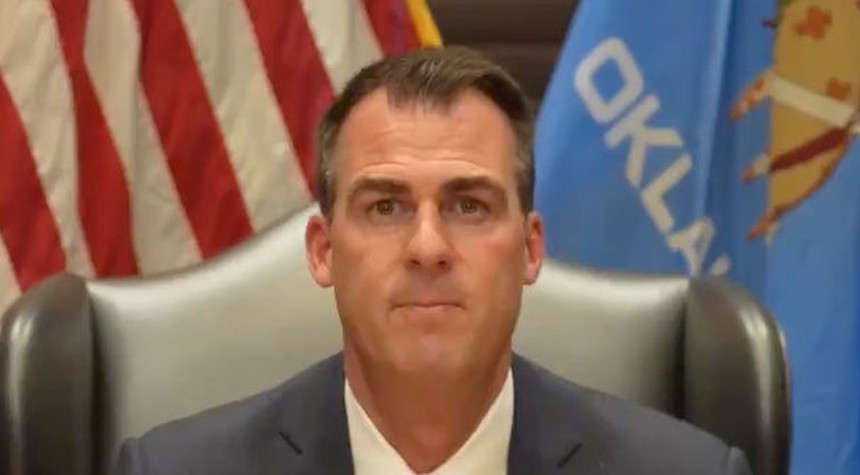
The immigration debate has taken an unexpected turn, and it is coming from within Republican ranks. Oklahoma Governor Kevin Stitt delivered pointed criticism of the Trump administration’s current approach, suggesting the president is being led astray by his advisors.
Speaking on a Sunday morning political program, Stitt did not mince words about the situation unfolding in Minnesota, where federal immigration enforcement has sparked considerable controversy and raised questions about tactics and oversight.
“This is a real tragedy,” Stitt stated, referring to reports of American deaths connected to federal operations. “What we’re seeing on television is causing deep concerns over federal tactics and accountability.”
The governor’s comments represent a significant moment in the ongoing immigration discussion. Here is a Republican governor, from a solidly conservative state, questioning not the president himself but the counsel he is receiving. It is the kind of distinction that matters in politics, a way of expressing disagreement while maintaining respect for the office and the man who holds it.
Stitt pressed further, asking questions that many Americans across the political spectrum are now pondering. “What is the endgame? What is the solution?” he asked. These are fair questions, the kind that demand clear answers in a democracy.
The governor invoked principles that conservatives hold dear, particularly federalism and state rights. “Nobody likes feds coming into their state,” he said plainly. It is a sentiment that echoes through American history, from the founding fathers to modern debates about the proper balance of power between Washington and state capitals.
When pressed about whether federal forces should withdraw from Minnesota, Stitt placed the responsibility squarely where it belongs. “The president has to answer that question,” he said, while adding a crucial observation: “He is a dealmaker, and he’s getting bad advice right now.”
The Oklahoma governor proposed his own solution, one rooted in conservative principles of state authority. He advocated for giving states the power to issue workforce permits, a practical approach that acknowledges economic realities while maintaining immigration enforcement.
“Is it to deport every single non-U.S. citizen? I don’t think that’s what Americans want,” Stitt argued. “We have to stop politicizing this. We need real solutions on immigration reform.”
His position reflects a tension that has long existed in conservative thought regarding immigration. There is broad agreement on the need for border security and enforcement of existing laws. However, the question of what comes next, particularly regarding the millions of people already in the country, remains deeply contested.
Stitt acknowledged the complexity of the situation. “We have to enforce federal laws. But we need to know what is the endgame,” he said. “And I don’t think it’s to deport every single non-U.S. citizen.”
The governor’s remarks suggest a growing unease among some Republicans about the direction and scope of current enforcement actions. Whether his call for clarity and a different approach gains traction remains to be seen. What is certain is that the immigration debate continues to evolve, and voices from unexpected quarters are demanding answers about where this path leads and what the ultimate goal truly is.
Related: Senate Democrats Threaten Government Shutdown Over Minneapolis Federal Agent Shooting