Pentagon Chief Orders Removal of Army Public Affairs Colonel Amid Promotion List Standoff
The story coming out of the Pentagon carries the weight of something deeper than a simple personnel change, and anyone who has covered the military knows that when promotion lists get frozen for four months, there is more beneath the surface than meets the eye.
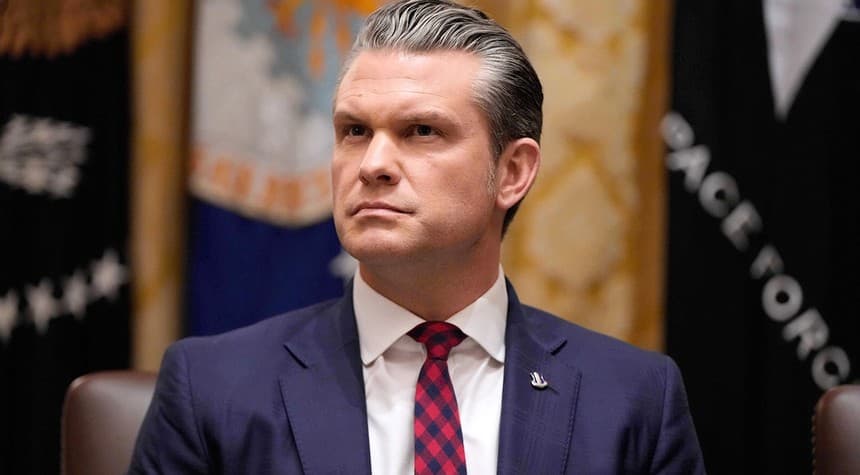
Defense Secretary Pete Hegseth has ordered Army Secretary Dan Driscoll to remove Colonel Dave Butler from his position as chief of Army public affairs and chief advisor. The directive comes while Driscoll himself serves in Geneva as part of the negotiating team working to end the war in Ukraine, adding another layer of complexity to an already tangled situation.
Butler's military career spans 28 years, and he previously served as head of public affairs for the Joint Chiefs during General Mark Milley's tenure as chairman. His professional trajectory appeared secure, with his name appearing on the Army's promotion list for two consecutive years among 34 officers selected for advancement to brigadier general.
That promotion list, however, has been held in limbo by Hegseth for nearly four months. The reason, according to sources familiar with the matter, centers on concerns about four to five officers selected by the Army board. Here is where the situation becomes particularly thorny: federal law prevents the Defense Secretary from simply removing names from the promotion list once the board has made its selections.
In what can only be described as an extraordinary gesture, Butler volunteered to withdraw his own name from the promotion list if doing so would unlock the other pending promotions. It is the kind of selfless act that speaks volumes about character, yet it apparently was not sufficient to resolve the underlying tensions.
The pressure campaign to remove Butler from his current position persisted for months. Driscoll, an Army veteran who attended Yale Law School alongside Vice President JD Vance and maintains a close alliance with him, resisted that pressure. His reasoning centered on Butler's ongoing contributions to Army transformation efforts.
The resistance, however, could only last so long. The order has been given, and Butler's retirement after nearly three decades of service now looms on the horizon.
"We greatly appreciate Colonel Dave Butler's lifetime of service in America's Army and to our nation," Driscoll stated. "Dave has been an integral part of the Army's transformation efforts and I sincerely wish him tremendous success in his upcoming retirement after 28 years of service."
The statement carries the formal courtesy expected in such circumstances, but the circumstances themselves raise questions that deserve answers. When a decorated officer volunteers to sacrifice his own promotion to help his fellow officers advance, and still finds himself removed from his position, reasonable people will wonder about the nature of the concerns that drove such an outcome.
This situation unfolds against a broader backdrop of tension within military leadership circles. The frozen promotion list affects more than two dozen officers whose careers hang in balance while disputes play out at the highest levels of Pentagon leadership.
The American people have a right to expect that military promotions and personnel decisions rest on merit, performance, and the good order and discipline of the armed forces. When political considerations appear to enter the equation, it undermines confidence in institutions that must remain above the fray to function effectively.
As Butler prepares for retirement and his fellow officers wait for resolution on their promotions, the Pentagon owes the military community and the nation a fuller accounting of what principles guided these decisions.
Related: Immigration Officers Turn to Face Coverings After Wave of Violent Threats