Pentagon Requests $200 Billion From Congress as Iran Operation Enters Third Week
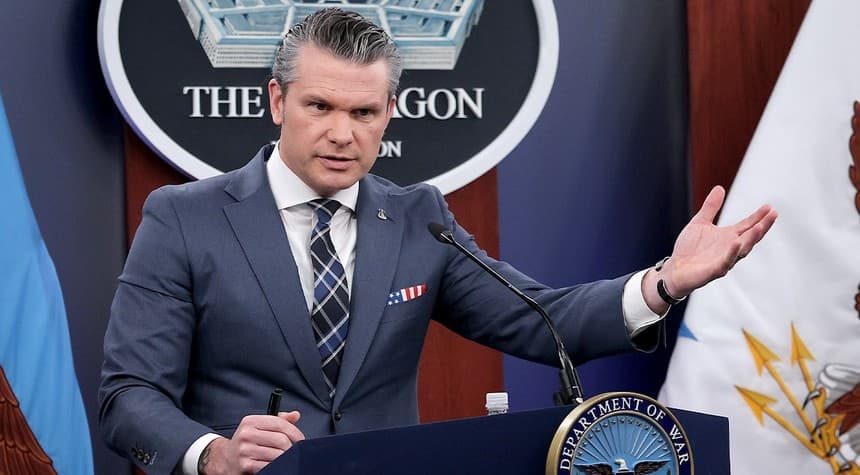
The Pentagon is heading back to Capitol Hill with its hand out, requesting what could amount to $200 billion in additional funding as Operation Epic Fury stretches into its third week of combat operations against Iranian targets.
War Secretary Pete Hegseth laid out the administration's case during a Thursday press briefing at the Pentagon, making clear that the current military engagement requires substantial financial resources that were not accounted for in the regular defense budget. The supplemental funding request aims to cover ongoing operational costs while simultaneously replenishing weapons stockpiles that have been depleted during the sustained campaign.
"As far as $200 billion, I think that number could move, obviously. It takes money to kill bad guys," Hegseth told assembled reporters with characteristic bluntness. His comments confirmed earlier reports that the Department of War was indeed seeking funding at that substantial level.
The War Secretary elaborated on the administration's thinking behind the request, emphasizing that the goal extends beyond merely replacing what has been used. "We're going back to Congress and our folks there to ensure that we're properly funded for what's been done, for what we may have to do in the future, ensure that our ammunition is – everything's refilled, and not just refilled, but above and beyond," Hegseth explained.
The timing of this request is significant. Three weeks into Operation Epic Fury, the American military machine continues striking Iranian naval targets and other strategic assets. Newly released video footage from Central Command shows the precision and scope of these ongoing strikes, providing the American people with a window into the intensity of current operations.
This supplemental funding request raises important questions about the duration and scope of the current conflict. When military leadership starts talking about replenishing stockpiles "above and beyond" current levels, it suggests planning for either extended operations or the possibility of expanded engagement.
The $200 billion figure represents a substantial ask from Congress, though Hegseth acknowledged the number remains fluid. For context, such funding would represent a significant portion of the annual defense budget and underscores the resource-intensive nature of modern military operations.
The administration's approach appears to be two-pronged: securing funding for current operations while simultaneously building up reserves for potential future contingencies. This forward-looking strategy suggests military planners are not anticipating a quick resolution to the current conflict with Iran.
Congress now faces the decision of whether to approve this massive supplemental request. The debate will likely center not just on the dollar amount, but on broader questions about mission scope, duration, and strategic objectives in the region.
As Operation Epic Fury continues, the American people deserve transparency about both the military strategy and the financial costs of this engagement. The coming congressional deliberations will provide an opportunity for that essential discussion about America's commitment to this conflict and the resources required to see it through.
Related: Senate to Question Intelligence Leaders as Key Official Steps Down in Protest of Iran War