Rep. John Larson Launches Impeachment Effort Targeting Trump Foreign Policy Actions
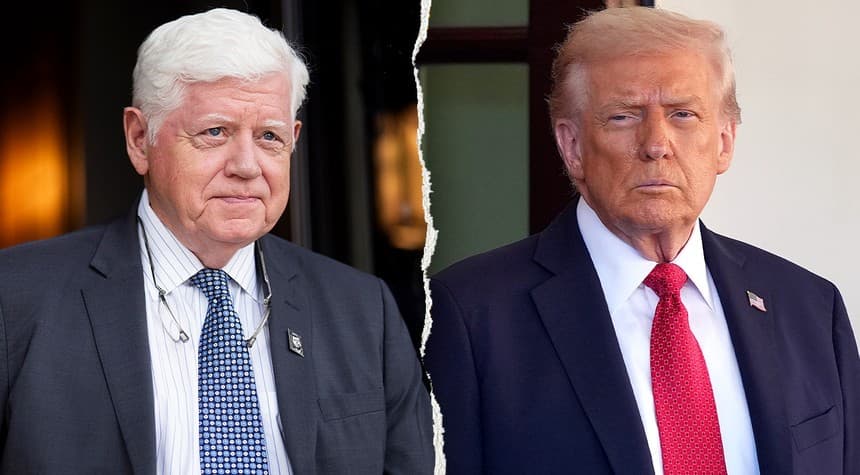
The political winds in Washington have shifted once again, and this time they carry the familiar scent of impeachment proceedings. Rep. John Larson, a 77-year-old Connecticut Democrat serving his 14th term in the House, has introduced 13 articles of impeachment against President Donald Trump, a move that appears as much about political survival as constitutional principle.
Let us be clear about what is happening here. Larson faces a primary challenge from younger Democrats eager to claim his seat, and nothing rallies the progressive base quite like impeachment talk. The timing is no accident, and the scope of these charges tells a story beyond the legal language.
The articles target several of Trump's most controversial foreign policy decisions. Larson takes aim at the president's military intervention in Venezuela, the deployment of National Guard troops to American cities, and the executive order addressing birthright citizenship. These are serious charges that deserve serious examination, but the most eyebrow-raising accusations involve claims of "murder, war crimes and piracy."
According to the resolution, these grave charges stem from Trump's decision to order a naval blockade around Venezuela, specifically targeting oil tankers under U.S. sanctions. This occurred in the lead-up to the January capture of Venezuelan President Nicolás Maduro, an operation that fundamentally altered the political landscape in South America. Larson also cites dozens of strikes against alleged drug trafficking vessels in the Eastern Pacific and Caribbean waters.
The resolution pulls no punches in its language. "Through his serial usurpation of the congressional war power and commission of murder, war crimes, and piracy, Donald J. Trump has acted contrary to his trust as President and subversive of constitutional government, to the great prejudice of law, liberty, and justice and to the manifest injury of the people of the United States," it reads.
Now, courage is courage, whether it comes from political calculation or constitutional conviction. But we must ask the hard questions. Why now? Why these particular charges? And why is a veteran congressman facing his first serious primary challenge suddenly finding his impeachment voice?
The Venezuela situation presents genuine constitutional questions about the war powers of the presidency versus congressional authority. These are debates worth having in a functioning democracy. The Founders designed our system with checks and balances precisely to prevent any single branch from wielding unchecked military power.
However, the practical reality in today's Washington is that impeachment has become less a constitutional remedy and more a political weapon. We have seen this pattern before, and the American people have grown weary of the theater.
Larson's resolution faces long odds in a Republican-controlled House, and he surely knows this. The question becomes whether this effort serves the Constitution or serves his reelection campaign. Perhaps it serves both, or perhaps neither.
What remains certain is that as long as Trump occupies the Oval Office, impeachment will remain a recurring theme in our national conversation. The only variable is which Democrat will be holding the gavel next.
Related: New DHS Secretary Considers Ending Customs Processing in Sanctuary Cities