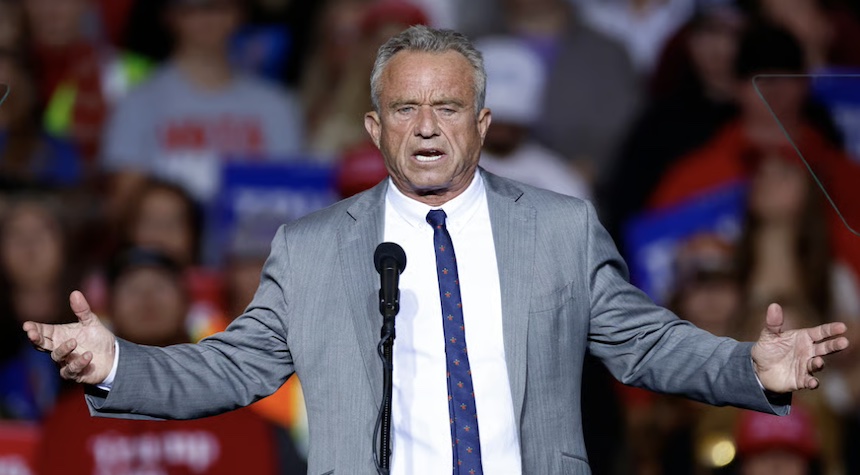
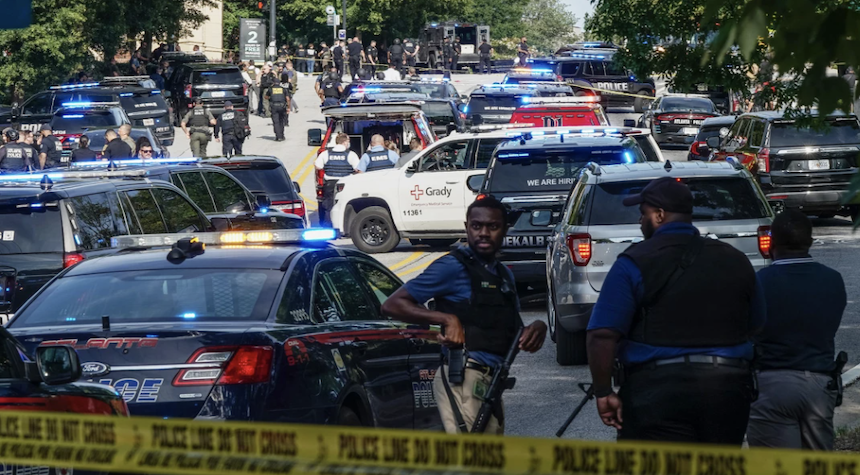
A deadly shooting occurred at the Centers for Disease Control and Prevention headquarters last week in Atlanta, resulting in the death of a DeKalb County police officer. The incident has drawn condemnation from Health and Human Services Secretary Robert F. Kennedy Jr., who emphasized the importance of protecting public health workers.
According to reliable sources, the assailant, identified as 30-year-old Patrick Joseph White of Kennesaw, Georgia, opened fire near the CDC complex, striking several windows before taking the life of Officer David Rose. The shooter was later found deceased in a nearby structure, though authorities have not yet determined if this was the result of self-infliction or police action.

Reports indicate that White blamed the COVID-19 vaccine for causing depression and suicidal thoughts. This raises important questions about the spread of health misinformation and its potential consequences.
Secretary Kennedy spoke with Scripps News, emphasizing the need for transparency in scientific communication. “The way we make the public believe in us is by telling the truth — what we know and what we don’t know,” Kennedy stated. He suggested that past overstatement of certainty during the pandemic may have eroded public trust.
Kennedy’s comments touch on the delicate balance between conveying scientific confidence and acknowledging areas of uncertainty. This approach, he argues, is crucial for maintaining public faith in health institutions.
The Secretary also addressed other health-related topics, including the cancellation of mRNA vaccine contracts, university funding policies, and efforts to improve nutrition guidelines. These issues, while distinct from the CDC shooting, reflect the complex landscape of public health policy that officials must navigate.
This tragic event serves as a stark reminder of the challenges faced by those working to protect public health and the importance of clear, honest communication in fostering trust between health authorities and the American people.