Graham Unveils Massive Border Security Funding Plan as GOP Fractures Emerge
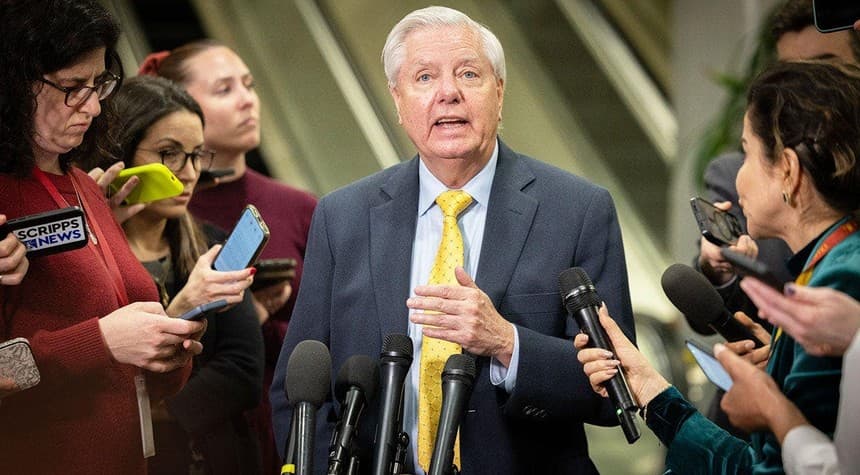
Courage, as they say, is not the absence of fear but the willingness to act despite it. And right now on Capitol Hill, courage appears to be in short supply as Senate Republicans grapple with the hard arithmetic of border security.
Senator Lindsey Graham of South Carolina, wearing his hat as Senate Budget Committee Chair, unveiled this week what can only be described as a mammoth proposal. The Republican budget resolution charts a course for $140 billion in immigration enforcement spending over the next three and a half years. That is not a misprint. One hundred and forty billion dollars.
The plan represents a narrowly focused approach, exactly as GOP leadership requested. Rather than a sweeping omnibus package touching every corner of government spending, this resolution zeroes in on two specific operations: Immigration and Customs Enforcement and Border Patrol. Three years of funding. One clear mission.
But here is where the story gets interesting, and where the fault lines within the Republican conference begin to show. Not every member of the party is singing from the same hymn book on this one. The proposal has sparked what insiders describe as genuine divisions and, in some quarters, outright anger directed at the House of Representatives.
The devil, as always, lives in the details. Senate Republicans are preparing to move forward with this funding bill on a strictly party-line basis, a parliamentary maneuver that would bypass the need for Democratic support. That approach carries its own risks and rewards in a chamber where even slim majorities can evaporate with a single defection.
The budget resolution itself serves as something more than just a spending blueprint. In the arcane world of congressional procedure, it acts as the guiding document that will shape how Republicans navigate the treacherous waters of the appropriations process. Think of it as the North Star by which the party will steer its fiscal ship.
The price tag alone raises questions that deserve answers. Is $140 billion the right number? Too much? Too little? And perhaps more importantly, will it actually accomplish what Republicans promise: meaningful enforcement of immigration laws and genuine security along our southern border?
These are not abstract policy debates happening in ivory towers. Real consequences flow from these decisions. Communities along the border have been sounding alarm bells for years now. Law enforcement officers have pleaded for resources. And American citizens have watched with growing frustration as the situation has deteriorated.
The tension between the Senate and House adds another layer of complexity to an already complicated situation. When members of the same party are directing anger at each other rather than working in concert, it raises legitimate questions about whether Republicans can govern effectively even when they control both chambers.
Graham finds himself in the unenviable position of trying to corral his conference while simultaneously defending a proposal that carries a price tag guaranteed to raise eyebrows. The path forward remains uncertain, and the clock continues ticking.
What happens next will tell us much about whether Republicans can translate their campaign promises into legislative reality. The American people are watching, and they have long memories when it comes to unfulfilled commitments.
Related: Chicago Teachers Union Pushes May Day Protests During School Hours