The Small Business Administration has drawn a new line in the sand, and it runs straight through the question of who gets access to American taxpayer dollars.
In a move that extends previous policy changes, the SBA announced Friday that foreign nationals and non-citizens will no longer be eligible for loans through its Surety Bond and Microloan programs. This represents the latest chapter in an ongoing effort to redirect federal resources toward American-owned enterprises.
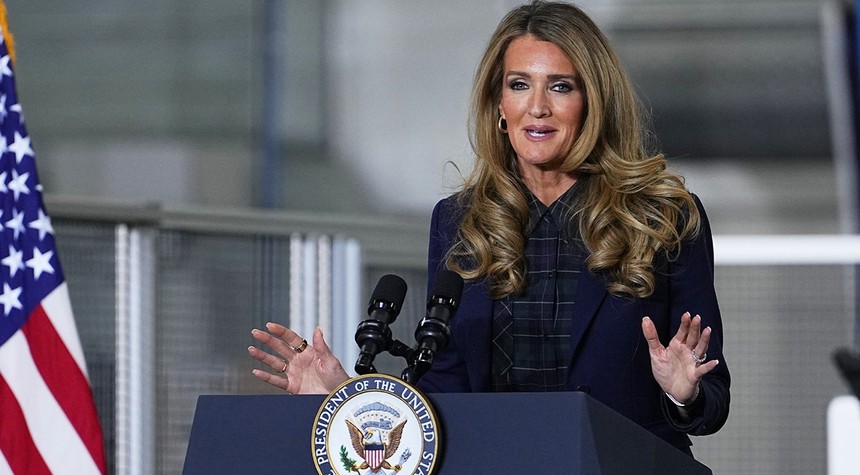
“The Trump SBA is committed to driving economic growth and job creation for American citizens,” Administrator Kelly Loeffler stated, making the administration’s priorities crystal clear.
The new restrictions build upon reforms implemented in February that already prohibited foreign nationals from accessing the SBA’s 504 and 7(a) loan programs. Those programs serve as financial lifelines for small businesses seeking capital for working expenses, equipment purchases, or business acquisitions. The February changes barred loans to any business with partial or complete ownership by foreign nationals.
Now, with the expansion to Surety Bond and Microloan programs, the administration has effectively closed the door on non-citizen participation across the SBA’s major lending portfolios.
The policy shift raises important questions about the proper role of federal assistance in the American economy. Supporters argue that taxpayer-funded programs should prioritize American citizens who contribute to the tax base and create jobs for their fellow Americans. The logic follows a straightforward principle: American resources for American entrepreneurs.
Small business owners across Texas and other states have long voiced concerns about competition for limited federal resources. The SBA’s loan programs, while substantial, can only serve so many applicants. By restricting eligibility to citizens, the administration aims to ensure that Americans are not competing with foreign nationals for access to their own government’s support.
The timing of these announcements reflects a broader philosophy within the current administration about economic nationalism and the prioritization of American interests in federal policymaking. From trade negotiations to domestic lending programs, the message remains consistent: America first.
Critics of such restrictions might argue that entrepreneurship benefits the economy regardless of the business owner’s citizenship status. They could point to immigrant-owned businesses that employ American workers and contribute to local economies. However, the administration’s position appears firm that federal loan guarantees and direct lending should remain the exclusive domain of American citizens.
The practical impact of these changes will unfold in the months ahead as loan applications are processed under the new guidelines. Small business owners who are legal permanent residents but not yet citizens will find themselves ineligible for programs they might have previously accessed.
For American citizens seeking to start or expand small businesses, the policy changes theoretically improve their odds of securing federal assistance by reducing the applicant pool. Whether this translates into meaningful increases in loan approvals for citizens remains to be seen.
What is clear is that the Small Business Administration under the current leadership has fundamentally redefined its mission around citizenship as a prerequisite for assistance. The agency that once cast a wider net now operates with a more selective approach, one that places American citizenship at the center of eligibility determinations.
Related: California Governor Attacks Noem Over Stalled Wildfire Relief Funds