The question on the table is whether young Black athletes should sacrifice their futures to make a political statement. It is a weighty proposition, and one that deserves serious examination beyond the comfortable confines of a television studio.
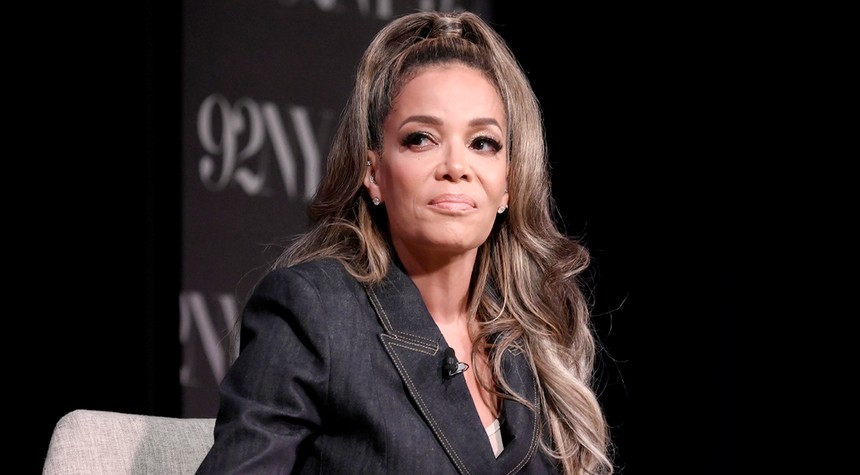
Sunny Hostin of ABC’s daytime talk show made her position clear this week. She voiced support for the NAACP’s newly launched “Out of Bounds” campaign, which calls on Black athletes and their families to boycott public universities in eight states across the South. The organization is targeting institutions primarily in the SEC and ACC conferences, spanning Tennessee, Louisiana, Alabama, Florida, Mississippi, South Carolina, Texas, and Georgia.
The campaign represents the NAACP’s response to the Supreme Court’s recent ruling in Louisiana v. Callais, which determined that race-based congressional districts violate constitutional principles. The civil rights organization views redistricting efforts in these states as attempts to dilute Black political representation, and they have decided that college athletics provides the leverage point to force change.
Hostin acknowledged the substantial personal cost such a boycott would demand from young athletes. These students stand to lose free educations and the opportunity to profit from name, image, and likeness deals that can now generate significant income. Nevertheless, she argued that economic pressure has historically proven effective in advancing civil rights causes.
“Economic damage and economic harm has long time been a very effective tool in the civil rights movement,” Hostin stated during the panel discussion. She drew comparisons to established athletes like John Carlos and Muhammad Ali who used their platforms for protest, though she conceded those individuals had already secured their positions before taking public stands.
The host attempted to soften the ask by noting that only thirteen schools would fall under the boycott, leaving athletes with numerous alternative options. She cited the example of Kylin Hill, a running back at Ole Miss who threatened to sit out unless Mississippi changed its state flag, which featured Confederate imagery. The flag was subsequently changed, and Hostin presented this as evidence that athletic boycotts can yield results.
Her co-hosts displayed considerably more hesitation about placing such responsibility on young people’s shoulders. Alyssa Farah Griffin called the campaign a good idea in principle but expressed concern about burdening youth with problems they did not create. Even Joy Behar, while noting that young people often drive social change, seemed uncertain about the practical wisdom of the approach.
The campaign raises uncomfortable questions about who should bear the cost of political activism. These are young people, many from disadvantaged backgrounds, being asked to potentially derail their educational and professional opportunities for a cause decided by organizational leadership. The NAACP has every right to advocate for its positions, but whether it is appropriate to pressure teenagers into becoming foot soldiers in redistricting battles remains an open question.
The stakes are real. College athletics generates enormous revenue for universities, particularly in football and basketball. A successful boycott could indeed inflict financial pain. But the pain would also fall on the athletes themselves, who would forfeit scholarships, training, exposure, and income that might never come again.
This is not a simple matter of right versus wrong. It is a complex calculation about sacrifice, strategy, and whether the ends justify asking young people to pay the price.
Related: Keisha Lance Bottoms Secures Democratic Nomination in Georgia Governor’s Race