
The fight over election integrity has taken an unexpected turn in the halls of Congress, with one of the Senate’s most prominent defenders of institutional norms now calling for dramatic action to secure the ballot box.
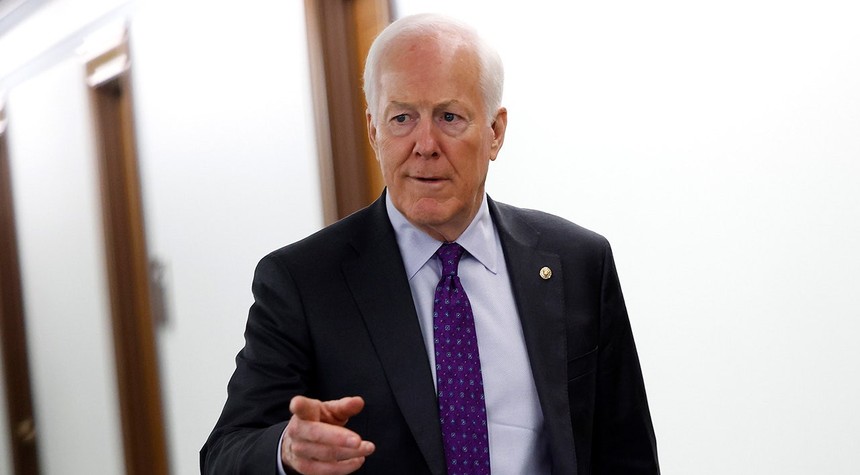
Senator John Cornyn of Texas, a lawmaker who has spent years championing the Senate filibuster as a bulwark against partisan overreach, announced Wednesday that he is prepared to support eliminating the 60-vote threshold to pass the SAVE America Act. The legislation, which has President Trump’s backing, would establish nationwide voter identification requirements before the upcoming midterm elections.
This represents a remarkable about-face for the Texas Republican. Cornyn has long maintained that preserving the filibuster protected conservative interests by preventing Democrats from ramming through progressive legislation with simple majority votes. Now, facing a competitive runoff election against Texas Attorney General Ken Paxton, Cornyn is singing a different tune.
“For many years, I believed that if the United States Senate scrapped the filibuster, Texas and our nation would stand to lose more than we would gain,” Cornyn wrote in a published opinion piece Wednesday morning. “But when the reality on the ground changes, leaders must take stock and adapt.”
The SAVE Act, short for Safeguarding American Voter Eligibility, has become a flashpoint in the ongoing national debate over election security. Republicans argue the measure is essential to preventing fraud and ensuring only eligible citizens cast ballots. Democrats have mounted fierce opposition, characterizing the legislation as voter suppression.
Representative Bryan Steil of Wisconsin has been among the House Republicans pressing for swift action on the voter ID measure. The White House has joined Republican lawmakers in criticizing Democratic resistance to the bill, framing opposition as a rejection of common-sense election safeguards.
The political stakes are considerable. Cornyn’s shift comes as he battles to retain his Senate seat against a primary challenger who has painted him as insufficiently committed to conservative priorities. The runoff with Paxton has forced Cornyn to demonstrate his alignment with the Trump agenda on a signature issue.
The broader question facing Senate Republicans is whether they are prepared to follow Cornyn’s lead. For years, Republican senators argued the filibuster represented an essential check on majority power, warning that eliminating it would open the door to unchecked Democratic control when the political winds shifted. Democrats themselves pushed to weaken or eliminate the filibuster during their recent Senate majority, particularly to advance voting legislation that Republicans blocked.
Cornyn’s willingness to abandon his previous position highlights the intense pressure Republicans face to deliver on election integrity promises. Whether his colleagues will join him in supporting filibuster reform for this purpose remains uncertain. Senate leadership has not indicated support for such a dramatic procedural change.
The debate underscores the tension between institutional preservation and policy achievement that has defined much of the modern Senate. As the midterm elections approach, Republicans must decide whether securing voter identification requirements is worth fundamentally altering the chamber’s rules. That decision will have implications extending far beyond this single piece of legislation, potentially reshaping the Senate for generations to come.
Related: California Republican Congressman Abandons Party, Shrinks GOP Majority Further