
The courage of our convictions as a nation often gets tested not in the halls of Congress, but on the open highways where American families travel. What happened on Interstate 81 in Virginia just before Christmas is one of those tests.
Transportation Secretary Sean Duffy has been discussing his department’s ongoing examination of commercial driver’s license procedures, particularly those involving non-domiciled CDL holders. The timing of these conversations has taken on new significance following a devastating crash that claimed three lives, including that of a two-year-old child.
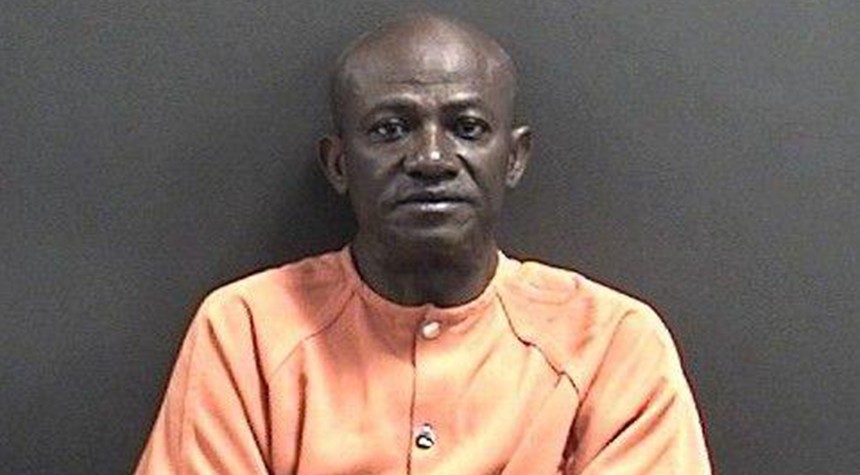
On December 22, a tractor-trailer operated by El Hadji Karamoko Ouattara veered off Interstate 81 in Roanoke County, Virginia, striking a minivan with catastrophic results. The victims, Lorraine Renee Williams, 65, Ebony Latasha Williams, 49, and two-year-old Shazziyah Lesley, all perished from their injuries. Three others survived, including a 10-year-old girl and two elderly men, though they required hospitalization.
The facts, as they have emerged, paint a troubling picture. Ouattara, a 58-year-old resident of Montgomery Village, Maryland, faces three counts of involuntary manslaughter. Federal law enforcement sources confirm he is a naturalized American citizen originally from the Ivory Coast who entered the United States illegally during the 1990s before obtaining legal status.
The incident has focused attention on what some consider systemic vulnerabilities in our commercial licensing framework. The Department of Transportation has been conducting a broader review of CDL issuance procedures, examining how states verify the credentials and backgrounds of those entrusted with operating massive commercial vehicles on our nation’s highways.
This is not about painting with a broad brush or questioning the contributions of immigrants to our transportation infrastructure. Rather, it concerns the fundamental responsibility of government to ensure public safety through rigorous standards and enforcement.
The commercial trucking industry serves as the backbone of American commerce, moving goods across this vast country with remarkable efficiency. The overwhelming majority of commercial drivers maintain exemplary safety records and take their responsibilities seriously. Yet when breakdowns in the system occur, as they appear to have done in this case, the consequences can be devastating.
Secretary Duffy’s department faces the difficult task of balancing the need for adequate staffing in the trucking industry against the imperative of maintaining strict safety standards. The shortage of qualified commercial drivers has been well-documented, creating pressure to streamline licensing procedures. But efficiency can never come at the expense of thoroughness when lives hang in the balance.
The families affected by this tragedy deserve answers about how such an incident could occur. They deserve to know what safeguards were in place, whether those safeguards functioned properly, and what changes might prevent similar heartbreak in the future.
As this investigation continues, the broader questions about commercial licensing standards, immigration procedures, and public safety protocols demand serious attention from policymakers at every level of government. The open road should represent freedom and opportunity, not danger and loss.
Related: Walz Administration Defends Record as Viral Video Exposes Inactive Childcare Facilities