The battle lines over American elections just got deeper and more contentious, friends, and this one cuts right to the heart of how we conduct our democracy.
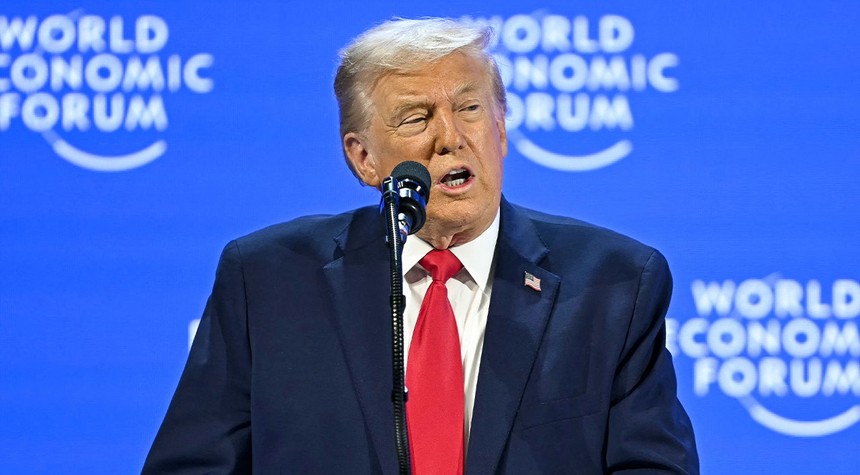
President Donald Trump stirred up a hornet’s nest Monday when he suggested Republicans should “take over” and “nationalize” voting procedures across the country. The comments came during a wide-ranging interview that touched on immigration enforcement and election integrity, two issues that have defined this administration’s priorities.
“The Republicans should say, ‘We want to take over,'” Trump declared. “We should take over the voting in at least many, 15 places. The Republicans ought to nationalize the voting. We have states that are so crooked and they’re counting votes.”
Now, before we go any further, let us be clear about what the Constitution says. Article One establishes that states set the rules for both federal and state elections, determining “the times, places, and manner of holding elections for the House of Representatives and the Senate.” That is not a minor detail. It is foundational to our federal system.
Senate Minority Leader Chuck Schumer wasted no time pouncing on Trump’s remarks from the Senate floor. “Just a few hours ago, Donald Trump said he wants to nationalize elections around the country,” Schumer said. “You think he believes in democracy? Does Donald Trump need a copy of the Constitution? What he is saying is outlandishly illegal.”
The White House moved quickly to clarify the president’s position. Spokeswoman Abigail Jackson issued a statement explaining that Trump’s comments reflected his commitment to election security rather than any constitutional overreach.
“President Trump cares deeply about the safety and security of our elections,” Jackson stated. She pointed to the administration’s support for the SAVE Act and other legislative proposals that would establish uniform photo identification requirements for voting, prohibit no-excuse mail-in voting, and end ballot harvesting practices.
This controversy arrives at a critical moment. With midterm elections looming, both parties are locked in fierce combat for control of Congress. The president has been barnstorming the country, warning supporters that losses would derail his legislative agenda entirely.
The question at the center of this debate is one Americans have wrestled with since the founding: Where does state authority end and federal oversight begin? Trump and many conservatives argue that inconsistent voting standards across states create opportunities for fraud and undermine public confidence. They point to varying rules on mail-in ballots, voter identification, and ballot collection as evidence that some uniformity is needed.
Democrats and constitutional scholars counter that federalizing elections would represent a dramatic departure from the system the founders established, concentrating power in Washington in ways the Constitution explicitly prevents.
What remains undeniable is this: Trust in American elections has eroded significantly in recent years, with both parties questioning results when they lose. Whether the answer lies in federal standardization or stronger state-level safeguards, one thing is certain. This debate is far from over, and the stakes could not be higher for the future of American democracy.
Related: Democrat Menefee Wins Texas Special Election as GOP House Majority Shrinks Further