
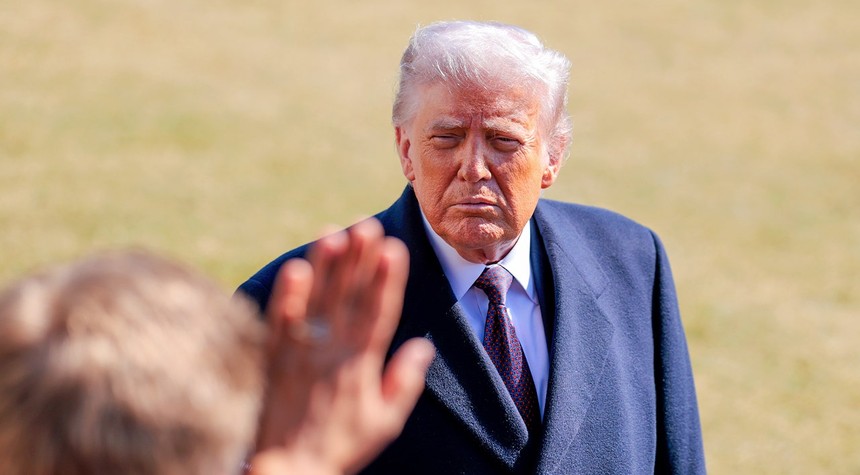
There are moments in the life of this republic when the weight of decision falls squarely on one set of shoulders, and the consequences ripple far beyond our shores. Friday brought one such moment as President Donald Trump addressed reporters about the thorny matter of Iran, speaking with the candor of a man who understands the gravity of what may lie ahead.
The president pulled no punches in expressing his dissatisfaction with how Tehran is conducting itself at the negotiating table. “I’m not happy with the fact that they’re not willing to give us what we have to have,” Trump stated plainly. His frustration was palpable as he continued, “So I’m not thrilled with that. We’ll see what happens, we’re talking later. We’ll have some additional talks today. But, no, I’m not happy with the way they’re going.”
These are not idle words from a commander-in-chief who has consistently emphasized his preference for deals over military engagement. Yet the president’s acknowledgment that talks would continue suggests the diplomatic door remains open, even if it is not swinging as wide as the administration would prefer.
What makes this moment particularly significant is Trump’s frank admission that no final decision has been made regarding potential military strikes against Iran. In an era when speculation runs rampant and anonymous sources fuel endless conjecture, the president’s willingness to address the question directly speaks to the seriousness of the deliberations taking place within the White House.
Perhaps most telling was the president’s response when pressed about the potential consequences of military action. Trump did not retreat into comfortable platitudes or dismissive assurances. Instead, he acknowledged what military strategists and foreign policy experts have long understood: any strike against Iran carries the very real possibility of igniting a broader, longer-term conflict across the Middle East.
This recognition matters. It demonstrates that the administration is entering these deliberations with eyes wide open, fully cognizant of the potential costs. The Middle East has long been a powder keg, and any spark has the potential to set off a conflagration that could draw in regional powers and strain American military resources for years to come.
The president’s comments come at a critical juncture. Iran’s nuclear ambitions, its support for proxy forces throughout the region, and its hostile posture toward American interests have created a situation that demands careful consideration. The question facing this administration is not whether Iran poses a threat, but rather how best to address that threat in a manner that protects American interests without plunging the nation into another protracted Middle Eastern conflict.
As additional talks proceed, the American people deserve to know that their president is weighing these decisions with appropriate gravity. Trump’s willingness to speak openly about both his frustrations and his concerns suggests a leader grappling with one of the most consequential decisions a president can face: whether to commit American military power to action overseas.
The hours and days ahead will reveal whether diplomacy can yet prevail, or whether the United States finds itself once again at a crossroads in the Middle East.
Related: Vance Gives Walz 60 Days to Address Medicaid Fraud in Minnesota