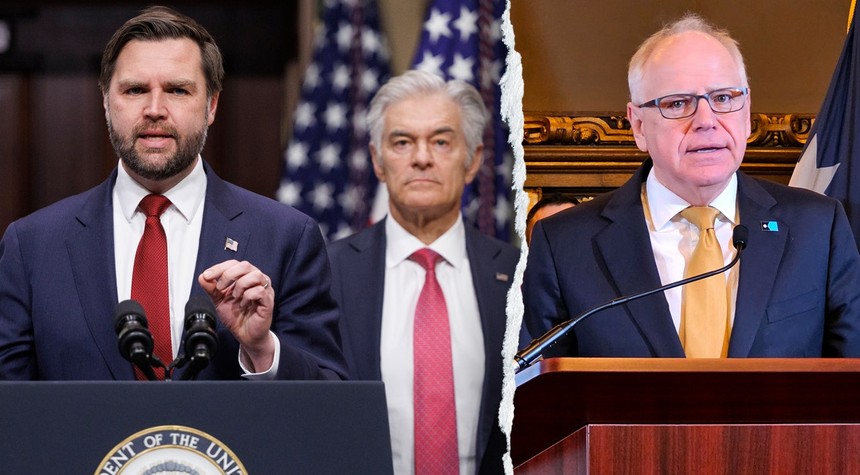
The fight over federal dollars and accountability has come to a head in Minnesota, where Vice President JD Vance announced a temporary halt to certain Medicaid funding until the state addresses what the administration calls rampant fraud.
This is not small potatoes. We are talking about federal taxpayer money flowing into a state system that, according to the Trump administration, has failed to maintain adequate oversight. The vice president made his announcement Wednesday, giving Governor Tim Walz a 60-day window to clean house.
“We are stopping the federal payments that will go to the state government until the state government takes its obligations seriously to stop the fraud that’s being perpetrated against the American taxpayer,” Vance declared. The message was clear and direct: fix the problem or the money stops flowing.
The timing follows President Trump’s State of the Union address Tuesday evening, where he specifically called out fraud in Minnesota. This administration has made no secret of its intention to crack down on waste and abuse in federal programs, and Minnesota appears to be exhibit A in what they are calling a broader “war on fraud.”
Governor Walz, who served as Vice President Kamala Harris’s running mate in the 2024 election, responded with sharp criticism. He characterized the funding freeze as political payback, writing that Trump is “weaponizing the entirety of the federal government to punish blue states like Minnesota.” The Democratic governor warned that the cuts would harm veterans, families with young children, people with disabilities, and working families throughout the state.
“This has nothing to do with fraud,” Walz countered, pointing to what he described as heavy-handed federal tactics and arguing that the Department of Justice has actually weakened fraud prosecution capabilities.
The dispute highlights a fundamental tension in American federalism: how much authority does Washington have to enforce accountability when states administer federal programs? Medicaid operates as a partnership between federal and state governments, with Washington providing funding and states managing day-to-day operations. When fraud occurs, the question of responsibility becomes complicated.
The administration’s position is straightforward. If states want federal dollars, they must demonstrate responsible stewardship of those funds. The 60-day deadline creates urgency while theoretically giving Minnesota time to implement reforms without permanent harm to beneficiaries.
Critics will argue this sets a dangerous precedent for federal overreach. Supporters will counter that accountability matters, especially when billions in taxpayer dollars are at stake. The truth, as is often the case, likely lies somewhere in the details of what fraud actually occurred and whether Minnesota’s oversight mechanisms were genuinely deficient.
What remains undeniable is that this confrontation represents a significant escalation in federal-state tensions. With Administrator Mehmet Oz now overseeing the Centers for Medicare and Medicaid Services, the Trump administration appears committed to aggressive oversight of these programs.
The next 60 days will reveal whether this is effective governance or political theater. Minnesota must either demonstrate its fraud prevention measures or face continued funding restrictions. Either way, other states are surely watching closely, knowing they could be next if federal auditors find similar problems in their programs.
Related: House Member Ejected from State of the Union Following Protest Display