Trump Warns Virginia Faces Economic Exodus Under Spanberger Tax Policies
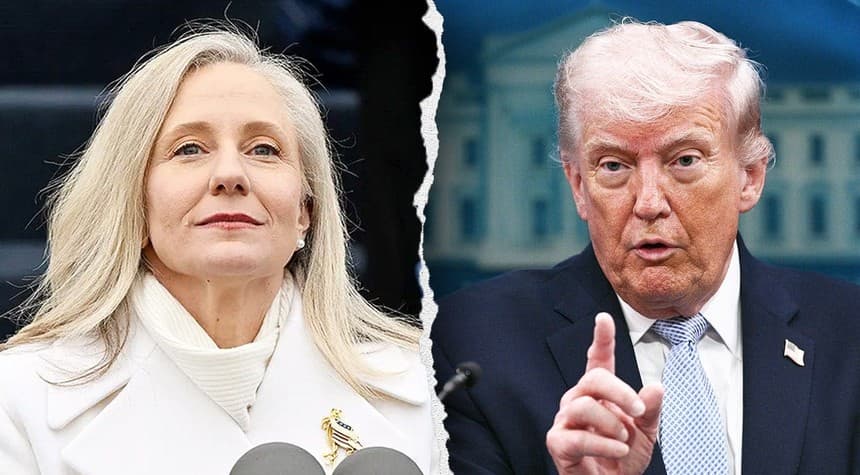
The storm clouds are gathering over Virginia's political landscape, and President Donald Trump is not mincing words about what he sees as an economic disaster in the making.
In a pointed message delivered early Saturday morning, Trump took aim at Democratic Governor Abigail Spanberger, warning that her administration's approach to taxation threatens to transform the Old Dominion into the next California or New York—states hemorrhaging residents and businesses at alarming rates.
The president's concerns center on what he characterizes as a cascade of new tax burdens hitting Virginia families and businesses. Among the measures drawing fire are proposed taxes on food and beverages, digital services, and utilities. Trump argues these policies are sapping the state's economic vitality and pushing residents toward the exits.
"She is adding so many Taxes, a Food and Beverage Tax, Digital Services Tax, Utilities Tax, and more," Trump stated. "It has lost its Energy, Vitality, and Strength. People are leaving that would never have even thought of doing so!"
The timing of these remarks carries particular weight. Trump made his comments while heading to meetings at Trump National Golf Club in Virginia, and they come as House Speaker Mike Johnson and former Governor Glenn Youngkin have joined the chorus of Republican voices raising alarms about the state's direction under Democratic leadership.
The situation has grown complicated enough that businesses which committed to Virginia during the Youngkin administration are reportedly reconsidering their positions. According to Trump, some companies are actively seeking ways to break their agreements and relocate elsewhere.
This development, if accurate, represents a troubling reversal for a state that has worked diligently to position itself as business-friendly and economically competitive in the mid-Atlantic region.
Trump drew explicit parallels to the situations unfolding in New York and California, states he has repeatedly criticized for what he views as self-inflicted economic wounds. The president noted that wealthy individuals and job-creating companies are fleeing those states at unprecedented levels, with California's tax base "literally disappearing" as corporations and high-income residents seek more favorable climates.
The warning is clear: Virginia risks following the same path unless course corrections are made.
It bears noting that Governor Spanberger has not publicly endorsed or signed the specific tax measures Trump referenced. The proposals have emerged from the Democratic-controlled state legislature, though the governor's position on them remains unclear to the public.
Republicans in Virginia have seized on these tax proposals as evidence of Democratic overreach, arguing that the measures could fundamentally undermine the state's competitive advantages. The debate has intensified alongside other contentious issues, including redistricting battles that have drawn accusations of gerrymandering and disagreements over immigration and economic policy.
The broader context matters here. Virginia has long occupied a unique position in American politics and economics—a purple state that has trended blue in recent cycles but maintains strong conservative roots, particularly in rural areas. The state's proximity to Washington, D.C., combined with its historical business climate, has made it attractive to companies and residents alike.
Whether Virginia can maintain that balance while pursuing progressive tax policies remains an open question. Trump's intervention suggests Republicans believe the answer is no, and they are prepared to make that case loudly as critical statewide votes approach.
The coming weeks will reveal whether Virginia voters share the president's concerns or dismiss them as political theater. What seems certain is that the debate over Virginia's economic future has moved to center stage.
Related: Navy Scraps Nearly $3 Billion Submarine Overhaul in Major Strategic Shift