
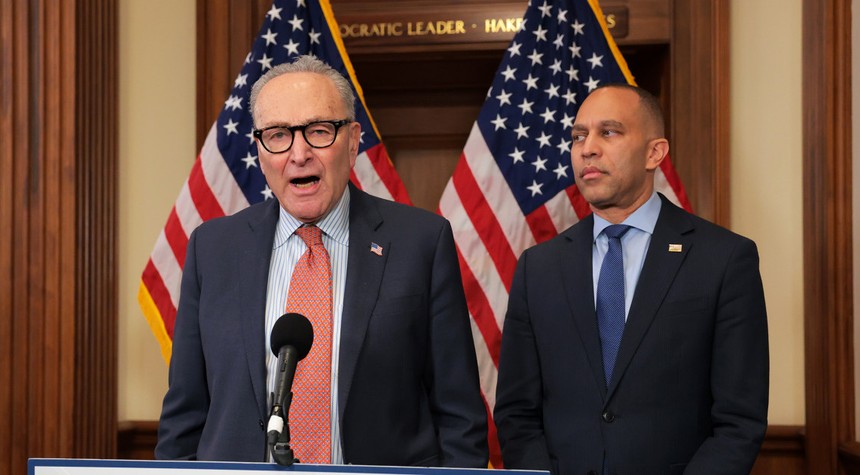
The health care debate has come roaring back to center stage in Washington, and the stakes could not be higher for millions of Americans watching their insurance premiums.
Senate Minority Leader Chuck Schumer announced Thursday that Democrats will force a vote next week on legislation to extend expiring Affordable Care Act tax credits for three years. The New York Democrat is calling it a “clean” extension of enhanced subsidies that first passed in 2021, designed to cap premiums for an average marketplace plan at 8.5 percent of income.
Make no mistake about it: This vote is heading straight for a brick wall. The legislation needs 60 votes to pass, meaning at least 13 Republicans would have to cross the aisle. That seems about as likely as snow in July, given that many GOP senators want these subsidies to expire altogether. Their argument is straightforward: These were Covid-era measures meant to be temporary, and the emergency has passed.
“Republicans have one week to decide where they stand,” Schumer declared from the Senate floor, framing the choice in stark terms. Vote yes and bring costs down, or vote no and watch premiums skyrocket. He called it one of the most important votes the chamber will take.
The political chess game here deserves scrutiny. This vote is the result of a promise Senate Majority Leader John Thune made to Democrats during negotiations to end last month’s record-breaking government shutdown. Thune has kept his word that Democrats can bring a bill to the floor, but he has made clear it faces the standard 60-vote threshold.
Here is where the rubber meets the road: Some Republicans have indicated openness to extending the funding with modifications and stricter limits. But negotiations have stalled, and the two parties remain far apart. Republican demands for tougher abortion restrictions tied to any extension have been dismissed out of hand by Democrats, who call such proposals dead on arrival.
The political calculations are transparent. Democrats see this issue as a powerful campaign weapon heading into the 2026 elections if costs rise for millions of Americans enrolled in ACA marketplaces. Schumer made that message crystal clear, calling his bill the “only path” to preventing significant cost increases set to hit next month.
“People back home will be watching what Republicans do,” Schumer said, adding that Americans are running out of time before the January 1 deadline. He characterized the Democratic proposal as Republicans’ “last chance” to prevent premiums from jumping.
For their part, Republicans appear divided on the path forward. Thune acknowledged as much earlier this week, telling reporters after a GOP meeting that conversations continue but “we do not have a clear path forward.” Various proposals have circulated within Republican ranks to extend, redirect, or end the subsidies entirely, but internal consensus remains elusive.
The truth is that both parties are positioning themselves for political advantage while the clock ticks down. Democrats want to paint Republicans as heartless for allowing premiums to rise. Republicans want to end what they view as unnecessary government spending that has outlived its original purpose.
What gets lost in this political theater is the practical impact on American families who will see their monthly insurance bills change dramatically based on whatever happens in the Senate next week. That is the real story here, and it deserves attention beyond the partisan maneuvering that dominates the headlines.
Related: Pentagon Officials Clash Over September Caribbean Drug Boat Attack Details