
The numbers tell a story that demands attention, regardless of where you stand on the political spectrum. The Department of Homeland Security released figures Friday claiming that more than 2.5 million illegal immigrants have departed the United States since President Donald Trump returned to the Oval Office in January, marking what the administration characterizes as a fundamental transformation in border security.
This is the kind of statistical shift that makes even seasoned observers take a second look at their calculators. According to the year-end report from DHS, illegal border crossings have plummeted 93 percent compared to the previous year. Fentanyl trafficking, that deadly scourge claiming American lives in communities from coast to coast, has reportedly been cut in half. Hundreds of thousands of criminal illegal immigrants have been either arrested or removed from the country.
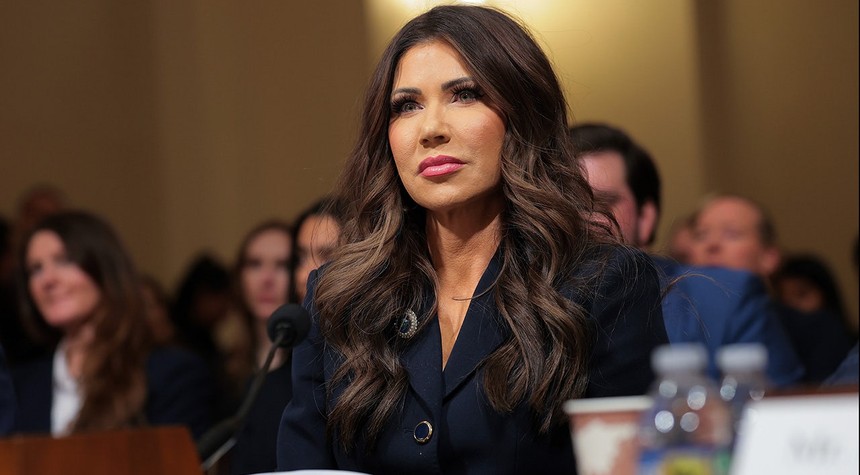
Homeland Security Secretary Kristi Noem did not mince words in her assessment. She declared that President Trump has delivered “some of the most historic and consequential achievements in presidential history” in less than twelve months, adding that “this administration is just getting started.”
The breakdown of those 2.5 million departures reveals an interesting split. Approximately 1.9 million individuals chose to self-deport, while more than 622,000 were forcibly removed through official channels. That ratio suggests something significant about the atmosphere surrounding immigration enforcement in the current climate.
The Trump administration has implemented a carrot-and-stick approach that bears examination. Through the Customs and Border Protection Home Mobile App, individuals living illegally in the United States can arrange their own departure, receiving a complimentary plane ticket and a $1,000 exit bonus upon return to their native countries. It is an unprecedented incentive program that appears designed to encourage voluntary compliance rather than forcing expensive and time-consuming deportation proceedings.
Secretary Noem emphasized that while the first year has been “historic,” the administration will not rest until the job is complete. The message from Washington is clear: this represents only the beginning of what the administration envisions as a comprehensive overhaul of American immigration policy.
The contrast with the previous administration could hardly be more stark. The Biden years saw record numbers of illegal border crossings, overwhelmed processing facilities, and what critics characterized as a revolving door at the southern border. DHS reports have revealed instances where criminal illegal immigrants were marked as “non-enforcement priorities” under the previous administration, a policy decision that has drawn sharp criticism from law enforcement advocates.
Whether these numbers hold up under independent scrutiny remains to be seen. Immigration statistics have historically been subject to interpretation, methodology questions, and political spin from all sides. But if these figures prove accurate, they represent a sea change in how America manages its borders and enforces its immigration laws.
The real test will come in the months ahead. Can these trends be sustained? Will the reported 93 percent reduction in illegal crossings hold steady, or will it prove to be a temporary response to heightened enforcement? And perhaps most importantly, what will be the broader impact on American communities, labor markets, and the millions of people caught in the complex web of immigration policy?
These are questions that deserve serious examination, free from the partisan noise that too often drowns out meaningful discussion. The American people deserve nothing less than the unvarnished truth about what is happening at their borders.
Related: Obamacare Premium Increases Set to Hit Millions as Congress Points Fingers