The calendar pages keep turning, and Congress keeps talking while millions of Americans brace for a healthcare affordability crisis that was entirely predictable and entirely preventable.
The enhanced Obamacare subsidies passed during the COVID-19 pandemic are set to expire at year’s end, and despite weeks of legislative maneuvering, the Senate has made precisely zero progress toward stopping what both parties acknowledge will be a painful blow to American families.
Here are the facts on the ground. Earlier this month, both Republicans and Democrats attempted to advance their own partisan solutions. Both failed. Since then, the issue has gathered dust while premiums prepare to skyrocket. A recent analysis by the Kaiser Family Foundation projects that Americans relying on these subsidies will see their healthcare costs jump an average of 114%. That is not a typo.
The original Affordable Care Act subsidies capped eligibility at 400% above the poverty level. The enhanced version eliminated that cap entirely. Now, as that enhancement expires, the financial impact will be severe and widespread.
Consider a 60-year-old American earning roughly $62,000 annually, just above that 400% threshold. Their premiums will double on average. In some states, the situation borders on catastrophic. Wyoming residents face a 421% increase. Connecticut residents are looking at a 316% hike.
Democrats and Republicans agree the cliff exists. They agree it will hurt. What they cannot agree on is whose fault it is, and that partisan blame game has effectively paralyzed any serious attempt at compromise.
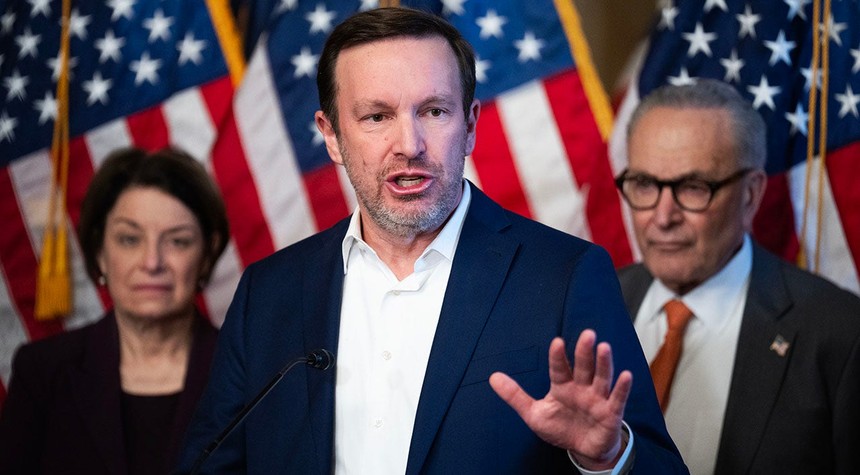
Senator Chris Murphy of Connecticut characterized the situation as “life or death,” noting conversations with constituents forced to choose which family member gets health insurance coverage. Republicans counter that Democrats engineered this very cliff by passing temporary enhanced subsidies without a sustainable funding mechanism.
Senator Murphy went further, declaring this is not a Congressional failure but specifically a Republican failure, claiming Democrats stand united in wanting to expand subsidies while Republicans want premiums to increase. That characterization ignores the legislative reality that Democrats controlled both chambers and the White House when these temporary subsidies were enacted with a clear expiration date.
Republicans argue they support healthcare affordability but want to provide Americans with more choices beyond the Affordable Care Act framework, not simply extend what they view as unsustainable spending.
The truth, as it often does, lies somewhere in the middle of this partisan food fight. Congress as an institution has failed to act responsibly. Temporary pandemic measures were always going to expire, and responsible governance required planning for that eventuality rather than treating it as a political football.
Meanwhile, American families are left planning their 2025 budgets with the knowledge that healthcare costs may double through no fault of their own. Small business owners who purchase insurance through the exchanges face similar uncertainty. The working middle class, already stretched thin by inflation, now confronts another financial squeeze.
The Senate has recessed without addressing this issue. The subsidies will lapse. Premiums will increase. And when constituents start feeling the pain in their pocketbooks, both parties will rush to cameras to explain why the other side is responsible.
This is Washington at its worst, where scoring political points takes precedence over solving real problems for real people. The healthcare cliff was visible from miles away, yet here we stand at the edge with no safety net in sight.
Related: Trump Signs Executive Order Moving Marijuana to Less Restrictive Drug Classification